Email marketing is a critical aspect of e-commerce businesses, and the success of any email campaign relies heavily on the email subject line. A well-crafted subject line can increase open rates, click-through rates, and ultimately, sales.
The importance of email subject lines cannot be overstated. It is the first thing that your subscribers see, and it determines whether they will open your email or not.
Therefore, making your subject line attention-grabbing, informative, and persuasive is crucial.
How Email Subject Lines Affect Open Rates
Email subject lines play a vital role in determining the success of your email marketing campaign. They are the first thing that your subscribers see when they receive your email.
Hence, it is essential to craft a compelling subject line that can entice them to open your email.
Studies have shown that email subject lines have a significant impact on open rates. According to a report by Convince & Convert, 33% of email recipients open emails based on the subject lines alone.
Therefore,
If you want to increase your email open rates, you need to come up with subject lines that grab your subscribers’ attention.
- The first thing to keep in mind while creating subject lines is to keep them short.
- People are bombarded with emails every day, and they don’t have the time or patience to read lengthy subject lines.
- Make sure your subject lines are no more than 50 characters.
- The second thing to keep in mind is to be specific and relevant. Your subscribers should know what to expect from your email based on the subject line.
- If you are promoting a sale or a discount, make sure you mention it in the subject line.
- Another way to increase your open rates is by using personalization. Personalized subject lines can increase open rates by 26%.
- Use your subscribers’ names or personalize the subject line based on their past purchases or interests.
- Lastly, you can use urgency and scarcity in your subject lines to create a sense of FOMO (fear of missing out).
- Use phrases like “Limited time offer” or “Last chance” to create urgency and encourage your subscribers to open the email.
The Role of Email Subject Lines in E-commerce
Email marketing has been a crucial marketing channel for e-commerce businesses for years. However, not all emails can guarantee successful conversions.
The email subject line is the first impression you give to your customers, and it plays a vital role in determining whether your email will be opened or not. In this chapter, we will discuss the importance of email subject lines in e-commerce and how to create subject lines that increase open rates.
The Importance of Email Subject Lines in E-commerce
Email subject lines are the first thing your customers see when they receive your email. If your subject line is uninteresting, irrelevant, or misleading, your customers will likely ignore your email.
Your subject line should be compelling enough to grab the attention of your customers and entice them to open your email. Your email content could be top-notch, but if your subject line is not captivating, it won’t be read.
Email subject lines also play a significant role in your email deliverability. Email service providers use algorithms to determine whether your email will land in your customer’s inbox or spam folder.
If your subject line is spammy or looks like clickbait, your email is likely to be marked as spam, and your email deliverability will suffer.
How to Create Subject Lines that Increase Open Rates
Creating compelling subject lines that increase open rates is a skill that requires practice and experimentation. Here are some tips to help you create subject lines that will grab the attention of your customers and increase open rates:
- Keep it short and sweet: Your subject line should be brief and to the point. Avoid using long sentences or using too many words.
- Personalize your subject line: Use your customer’s name in your subject line to make it more personal.
- Use urgency: Create a sense of urgency in your subject line by using phrases like “limited time offer” or “last chance.”
- Use emojis: Emojis can help your subject line stand out in a crowded inbox and add a touch of personality to your email.
- Test and iterate: Experiment with different subject lines and analyze your open rates to see what works best for your audience.
Conclusion
Email subject lines are a crucial element of e-commerce email marketing. A compelling subject line can grab the attention of your customers and increase open rates, leading to more conversions and revenue.
Understanding Your Audience

Identifying Your Target Customers
One of the most important factors in creating effective email subject lines is knowing who your target customers are.
Without a clear understanding of your audience, it can be challenging to craft subject lines that will resonate with them and encourage them to open your emails.
To identify your target customers, start by analyzing your existing customer base. Look at their demographics, interests, and behaviors to develop a clear picture of who they are.
You can also conduct market research to gather additional insights into your target audience.
Once you have a clear understanding of your target customers, you can begin to tailor your email subject lines to their needs and interests. Consider using language and messaging that will appeal to their specific pain points and desires.
For example, if you sell pet food and your target audience is pet owners, you might use subject lines that highlight the health benefits of your products or offer exclusive discounts on popular pet food brands.
By speaking directly to your target audience’s needs and interests, you can increase the likelihood that they will open and engage with your emails.
It’s also important to segment your email list based on your target customers’ interests and behaviors. By sending targeted emails to specific segments of your list, you can increase the relevance and effectiveness of your subject lines.
For example, if you sell clothing and accessories, you might create separate segments for men and women, or for customers who have previously purchased specific types of products. This allows you to tailor your subject lines and email content to each segment’s unique needs and interests.
Knowing Your Customers’ Pain Points
To begin with, you need to get to know your audience.
- Who are they?
- What are their likes and dislikes?
- What are their goals and aspirations?
- What are their biggest challenges and pain points?
Once you have a clear understanding of your target audience, you can start crafting email subject lines that resonate with them.
Here are a few tips to help you identify your customers’ pain points and turn them into powerful email subject lines:
- Use surveys and feedback forms to gather data. Ask your customers about their experiences, challenges, and pain points. You can use this information to create targeted email subject lines that address their specific needs.
- Monitor social media and online forums. Pay attention to what your customers are saying about your products, your industry, and their pain points. Use this information to craft email subject lines that speak directly to their concerns.
- Analyze your website analytics and sales data. Look for patterns and trends that can help you identify your customers’ pain points.
- For example, if you notice that a particular product is frequently returned or abandoned in carts, it may be an indication that customers are struggling with a particular pain point.
- Use empathy and emotion. When crafting your email subject lines, try to put yourself in your customers’ shoes.
- Use language that speaks directly to their pain points and emotions. For example, “Solve Your Biggest Challenge with Our New Product” or “Say Goodbye to [Pain Point] with Our Latest Solution”.
By understanding your customers’ pain points and using them to create targeted email subject lines, you can increase open rates and conversions for your e-commerce business.
Remember to always put your customers first and address their needs and concerns in every email you send.
Creating Customer Personas
One of the most important aspects of crafting effective email subject lines for e-commerce businesses is understanding your target audience.
This is where creating customer personas comes in handy. Customer personas are fictional representations of your ideal customers based on research, data, and insights.
To create customer personas, you need to start by gathering information about your existing customers. This includes their demographics, interests, behavior, and pain points.
You can use tools like Google Analytics, social media analytics, surveys, and customer feedback to gather this data.
Once you have this information, you can start creating customer personas by giving them a name, age, occupation, hobbies, and other details that make them more human.
For example, if you sell skincare products, your customer persona could be a 35-year-old working mom named Sarah who loves yoga and is concerned about aging.
Creating customer personas helps you understand your target audience on a deeper level and tailor your email subject lines to their specific needs and interests. For example, if you know that Sarah is concerned about aging, you can craft subject lines that speak to that pain point, such as “Say goodbye to wrinkles with our new anti-aging serum.”
Crafting Effective Email Subject Lines
The Anatomy of a Subject Line
When it comes to crafting email subject lines that convert for e-commerce businesses, understanding the anatomy of a subject line is crucial.
A subject line is the first thing a recipient sees when they receive an email, and it’s the determining factor of whether they’ll open or ignore it. So, what are the key components of a subject line?
Length
Length is one of the most critical components of a subject line. A subject line that’s too long or too short can negatively impact the open rate. A subject line should be concise and to the point, usually between 40-50 characters. However, this can vary depending on the audience, industry, and email campaign’s goal.
Relevance
The subject line must be relevant to the email’s content and the recipient’s interests. A subject line that’s irrelevant or misleading leads to low open rates and a high unsubscribe rate. The subject line should convey what the recipient can expect to find in the email and how it benefits them.
Urgency
Creating a sense of urgency is an effective way to increase open rates and encourage the recipient to take action. Using phrases like “limited time offer” or “expires soon” create a sense of urgency that motivates the recipient to open the email and take action before it’s too late.
Emotional Appeal
Emotional appeal is another powerful tool in crafting subject lines that convert. Using emotional triggers such as curiosity, fear, excitement, or humor creates a connection with the recipient and increases the chance of them opening the email.
Tips for Writing Engaging Subject Lines
When it comes to email marketing for e-commerce businesses, subject lines play a vital role in attracting the attention of the recipients. It is the first thing that they read before deciding whether to open the email or not. Therefore, it is essential to craft engaging subject lines that increase the open rates. Here are some tips for writing effective subject lines:
1. Keep it Short and Sweet
The subject line should be short and to the point. It should not exceed 50 characters as longer subject lines get cut off on mobile devices. A concise subject line that highlights the key message is more likely to grab the reader’s attention.
2. Personalize the Subject Line
Personalization is a great way to make the recipient feel valued and increase the chances of them opening the email. Use their name or include a reference to their recent purchase or browsing history. This will make the email feel more relevant and personalized to them.
3. Use Action-Oriented Language
Create a sense of urgency and encourage the recipient to take action by using action-oriented language in the subject line. Use words like “Limited Time Offer,” “Last Chance,” or “Hurry” to create a sense of urgency and encourage them to open the email.
4. Avoid Spammy Words and Symbols
Avoid using spammy words and symbols like “Free,” “Discount,” or excessive exclamation marks in the subject line. These can trigger spam filters and decrease the chances of the email reaching the recipient’s inbox.
5. Test and Optimize
Test different subject lines to see which ones perform the best and optimize them accordingly. Use A/B testing to compare different subject lines and identify which ones have a higher open rate.
This will help you refine your email marketing strategy and increase your chances of success.
Examples of Successful Subject Lines
Crafting a compelling subject line can make or break your email marketing campaign. It is the first thing your recipients see, and it is what compels them to either open or ignore your email. In this section, we will take a look at some of the most successful subject lines used by e-commerce businesses.
1. Urgency-based subject lines
Creating a sense of urgency is one of the most effective ways to get people to act. For example, “Last Chance: 50% off Sale Ends Today!” or “Hurry! Limited Stock Left!” are subject lines that create a sense of urgency and encourage recipients to take action.
2. Personalized subject lines
Personalized subject lines that include the recipient’s name or other relevant information can help increase open rates. For example, “John, check out this exclusive offer just for you!” or “Get 20% off your favorite products, Jane!” are subject lines that make the recipient feel valued and encourage them to open the email.
3. Curiosity-based subject lines
Curiosity-based subject lines can be highly effective in getting recipients to open your email. For example, “Guess what? We have a surprise for you!” or “You won’t believe what we have in store for you!” are subject lines that pique the recipient’s curiosity and encourage them to open the email.
4. Benefit-based subject lines
Benefit-based subject lines that highlight the benefits of your product or service can be highly effective in increasing open rates. For example, “Get a brighter smile in just 7 days!” or “Discover the secret to younger-looking skin!” are subject lines that highlight the benefits of your product and encourage recipients to open the email.
5. Social proof-based subject lines
Social proof-based subject lines that highlight positive reviews or testimonials can be highly effective in increasing open rates. For example, “See what our customers are saying about us!” or “Join the thousands of satisfied customers who have already tried our product!” are subject lines that highlight the social proof of your product or service and encourage recipients to open the email.
Testing and Optimizing Your Subject Lines
The Importance of A/B Testing
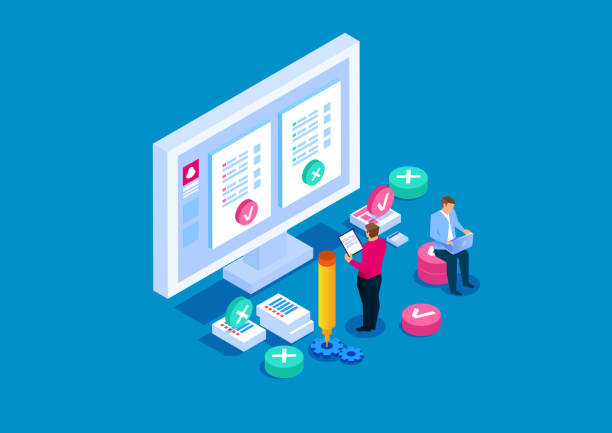
A/B testing is a crucial aspect of creating effective email subject lines that will convert for your e-commerce business. It involves sending different versions of an email subject line to a small sample size of your email list and then analyzing which version performs better. Once you determine the winning variation, you can send it to the remainder of your email list with confidence.
There are several reasons why A/B testing is important for email subject lines. Firstly, it allows you to test different elements of your subject line, such as the length, tone, and wording. By testing these different elements, you can determine which ones resonate best with your audience and use that information to create subject lines that are more likely to be opened.
Secondly, A/B testing helps you to optimize your email campaigns. By continually testing and refining your subject lines, you can increase your open rates, which in turn can lead to more clicks, conversions, and revenue for your business. This process allows you to identify what works and what doesn’t, and make changes accordingly.
Analyzing Results and Making Adjustments
After crafting an email subject line, the next step is to analyze its performance and make adjustments if necessary. This process helps e-commerce businesses to improve their open rates, click-through rates, and ultimately increase their conversions.
To begin with, it is important to track the performance of each email subject line. This can be done by using an email marketing tool that provides metrics such as open rates, click-through rates, and conversion rates. These metrics help to determine the effectiveness of the email subject line and provide insights on how to make adjustments.
One of the key metrics to analyze is the open rate. A low open rate indicates that the email subject line did not capture the attention of the recipient. To improve the open rate, businesses can try different approaches such as personalization, urgency, curiosity, and relevance. For instance, adding the recipient’s name in the subject line can make it more personalized, while using urgency words such as “limited time offer” can create a sense of urgency and encourage the recipient to open the email.
Another important metric to analyze is the click-through rate. A low click-through rate indicates that the email subject line did not motivate the recipient to take action.
To improve the click-through rate, businesses can try different approaches such as using a clear call-to-action, highlighting the benefits, and using social proof. For instance, using a clear call-to-action such as “Shop now” can encourage the recipient to click through and explore the products.
Best Practices for Subject Line Testing and Optimization
As an e-commerce business, it’s crucial to ensure that your emails are not only delivered to the inbox of your subscribers, but they also get opened and read. A great way to increase your email open rates is by optimizing your subject lines. Subject line testing and optimization is an ongoing process that can help you improve your email marketing strategy. Here are some best practices for subject line testing and optimization that can help you craft email subject lines that convert for e-commerce businesses.
1. Focus on relevance
The subject line should be relevant to the content of the email. It should give the recipient an idea of what to expect when they open the email. Use clear and concise language to communicate the value of the email.
2. Keep it short and simple
The subject line should be short and to the point. Most email clients display only a few words of the subject line, so make sure that the most important information is at the beginning of the subject line.
3. Use personalization
Personalization can help you connect with your subscribers on a more personal level. Use their name or other personal information to make the email more relevant and engaging.
4. Use numbers and symbols
Numbers and symbols can help your subject line stand out in a crowded inbox. Use them sparingly and strategically. For example, “5 Tips for Saving Money on Your Next Purchase” or “Limited Time Offer: 50% Off Your Order.”
5. A/B testing
A/B testing is an effective way to test and optimize your subject lines. Create two versions of the subject line and send them to a small group of subscribers. The version that performs better can be sent to the rest of your subscribers.
6. Monitor your metrics
Keep an eye on your email metrics such as open rates, click-through rates, and conversions. This will help you understand what works and what doesn’t work for your audience. Use this information to optimize your subject lines and improve your email marketing strategy.
In conclusion, subject line testing and optimization is a continuous process that can help you improve your email marketing strategy. By following these best practices, you can craft email subject lines that convert for e-commerce businesses and increase your email open rates.
Advanced Strategies for Email Subject Lines

Personalization has become the buzzword in the world of email marketing. It is the process of tailoring your email content to meet the specific needs and preferences of your subscribers.
Personali techniques can be used to create email subject lines that increase open rates for e-commerce businesses.
1. Use the recipient’s name
Using the recipient’s name in the subject line is a simple but effective personalization technique. It creates a sense of familiarity and connection between the sender and the recipient. However, be careful not to overuse the recipient’s name, as it can come across as spammy.
2. Segment your audience
Segmenting your audience is the process of dividing your email list into smaller groups based on specific criteria such as demographics, behavior, or interests. This allows you to create targeted email campaigns that are more relevant to each group. For example, you could send a different email subject line to subscribers who have previously purchased from your e-commerce store compared to those who have not.
3. Use dynamic content
Dynamic content is the process of displaying different content to different subscribers based on their behavior or preferences. This technique allows you to create highly personalized email subject lines that are more likely to grab the recipient’s attention. For example, if a subscriber has previously purchased a product from your e-commerce store, you can use dynamic content to display related products in the subject line.
4. Use location-based targeting
Location-based targeting is the process of targeting subscribers based on their geographical location. This technique allows you to create email subject lines that are more relevant to the recipient’s location. For example, if you are running a promotion in a specific city, you can create a subject line that mentions the city name.
5. Use behavioral triggers
Behavioral triggers are the actions that a subscriber takes that trigger an automated email campaign. This technique allows you to create highly personalized email subject lines based on the recipient’s behavior. For example, if a subscriber abandons their shopping cart, you can send them a follow-up email with a personalized subject line that encourages them to complete their purchase.
In conclusion, personalization techniques are essential for creating email subject lines that increase open rates for e-commerce businesses. By using these techniques, you can create highly targeted and personalized email campaigns that are more likely to convert subscribers into customers.
Using Urgency and Scarcity to Drive Conversions
One of the most effective ways to increase conversions in e-commerce businesses is by creating a sense of urgency and scarcity in your email subject lines. Urgency creates a sense of importance and makes your audience feel like they need to take action right away.
Scarcity, on the other hand, creates a sense of exclusivity and makes your audience feel like they might miss out if they don’t act quickly.
To use urgency and scarcity effectively in your email subject lines, you need to understand your audience’s needs and preferences. For example, if your audience is primarily interested in discounts and sales, you could use phrases like “limited-time offer” or “last chance” to create a sense of urgency.
If your audience is interested in new or exclusive products, you could use phrases like “be the first to try” or “exclusive access” to create a sense of scarcity.
It’s important to note that while urgency and scarcity can be effective, they should be used sparingly. Overusing these tactics can lead to a sense of distrust and can make your audience feel like they’re being pressured into making a purchase.
Instead, use urgency and scarcity to highlight the unique benefits of your products or to create excitement around a limited-time offer.
Here are some examples of email subject lines that use urgency and scarcity to drive conversions:
– “Last chance to save 20% on your favorite products”
– “Only a few left: Get your hands on our exclusive collection”
– “Limited time offer: Buy one, get one free”
– “Don’t miss out on our biggest sale of the year”
– “Hurry! Our best-selling product is selling out fast”
Leveraging Social Proof in Your Subject Lines
As an e-commerce business owner, you are always looking for ways to increase your open rates and convert more customers. One effective way to do this is by leveraging social proof in your email subject lines.
Social proof is the concept that people are more likely to take action if they see others doing the same. In the context of email subject lines, this means using language that implies that other people have already taken a desired action, such as opening an email or making a purchase.
One way to do this is by including numbers in your subject lines. For example, “Over 10,000 customers have already taken advantage of our sale!” This tells the recipient that many other people have already made a purchase, making them more likely to take action as well.
Another way to leverage social proof is by using customer reviews or testimonials in your subject lines. For example, “See why our customers are raving about our new product” or “Find out why our customers say we have the best customer service.” Including positive feedback from other customers can help build trust and credibility with potential customers.
You can also use social proof by referencing popular or well-known brands or influencers. For example, “As seen in Forbes” or “Recommended by [influencer name].” Associating your brand with other well-respected entities can help build trust and credibility with potential customers who may be familiar with them.
It’s important to note that while social proof can be a powerful tool in email subject lines, it should be used sparingly and authentically. Don’t make false claims or exaggerate the number of customers or reviews. Authenticity is key to building trust with your audience.
Automation and Email Sequences for E-commerce
Introduction to Email Automation
Email automation is an essential tool for e-commerce businesses. It allows you to communicate with your customers in a timely and personalized manner, without having to manually send each email. This not only saves time but also increases the effectiveness of your email marketing campaigns. In this chapter, we will explore the basics of email automation and how it can benefit your e-commerce business.
What is Email Automation?
Email automation is the process of sending targeted and personalized emails to your subscribers based on their behavior and actions. This can include a series of emails triggered by a specific action, such as signing up for a newsletter, making a purchase, or abandoning a cart. With email automation, you can deliver content to your subscribers at the right time, which increases the chances of conversions.
Why is Email Automation Important?
Email automation is important for several reasons. Firstly, it saves time and resources by automating the sending of emails. This means that you can focus on other areas of your business while still maintaining effective communication with your customers. Secondly, email automation allows you to send personalized content to your subscribers based on their behavior and interests. This increases engagement and conversions by delivering relevant content to your customers.
Benefits of Email Automation
There are several benefits of email automation for e-commerce businesses. These include:
- Increased Efficiency: Email automation saves time and resources by automating the sending of emails. This means that you can focus on other areas of your business while still maintaining effective communication with your customers.
- Personalized Content: Email automation allows you to send personalized content to your subscribers based on their behavior and interests. This increases engagement and conversions by delivering relevant content to your customers.
- Improved Customer Experience: Email automation can improve the customer experience by delivering timely and relevant content to your subscribers. This can increase customer loyalty and improve retention rates.
- Higher Conversions: By delivering targeted and personalized content to your subscribers, email automation can increase conversions and drive sales for your e-commerce business.
Setting Up Automated Email Sequences
The importance of email marketing cannot be overstated for e-commerce businesses. It is one of the most cost-effective ways to reach out to customers and build brand loyalty. However, sending out individual emails manually can be time-consuming and tedious. That’s where automated email sequences come in.
Automated email sequences are a series of pre-written emails that are scheduled to be sent out at predetermined intervals. This means that you can set up your email marketing campaign once and let it run on autopilot. The beauty of this is that it saves you time and allows you to focus on other aspects of your business.
Setting up automated email sequences is not as difficult as it might seem. The first step is to choose an email marketing service provider that offers automation features.
Once you have chosen your email service provider, you’ll need to create your email sequences. Start by identifying the different stages of the customer journey and what emails would be most appropriate for each stage. For example, you might have a welcome email for new subscribers, a series of promotional emails for leads, and a set of abandoned cart recovery emails for customers who have added items to their cart but haven’t completed their purchase.
When creating your emails, it’s important to keep your audience in mind. Use attention-grabbing subject lines that are relevant to your target market. Personalize your emails with the recipient’s name and include dynamic content that changes based on the recipient’s behavior.
Finally, make sure to track your email campaign’s performance. Use analytics to monitor open rates, click-through rates, and conversion rates. This will allow you to make data-driven decisions and optimize your email sequences for maximum effectiveness.
Integrating Subject Line Strategies into Your Email Sequences
Now that you have a solid understanding of how to craft effective email subject lines, it’s time to take it a step further and integrate those strategies into your email sequences.
An email sequence is a series of emails that are sent to a subscriber over a period of time. These can be used to nurture leads, promote products, or educate customers. By incorporating subject line strategies into your email sequences, you can increase open rates and engagement with your content.
Here are a few tips for integrating subject line strategies into your email sequences:
1. Segment your list
One of the most effective ways to increase engagement with your email sequences is to segment your list. By dividing your subscribers into smaller groups based on interests, behavior, or demographics, you can tailor your content and subject lines to better resonate with each group.
For example, if you have a segment of subscribers who have previously purchased from your store, you can use subject lines that reference their past purchases or offer personalized product recommendations.
2. Use A/B testing
A/B testing is a powerful tool for optimizing your email sequences. By testing different subject lines, you can determine which ones are most effective at driving opens and clicks.
Try testing different types of subject lines, such as ones that are more personalized, urgent, or curiosity-driven. You can also test the length of your subject lines to see if shorter or longer ones perform better.
3. Incorporate emojis
Emojis can be a fun and effective way to make your subject lines stand out in a crowded inbox. However, it’s important to use them wisely and sparingly.
Try incorporating emojis that are relevant to your content or brand, and avoid using ones that may be confusing or inappropriate.
4. Analyze your data
As you implement these strategies, be sure to analyze your data to see which ones are having the biggest impact on your email sequences. Use this information to refine your subject line strategies and continue to improve your open rates and engagement.
By integrating subject line strategies into your email sequences, you can create a more personalized and engaging experience for your subscribers. With a little experimentation and analysis, you can find the right formula for your e-commerce business and see the results in increased conversions and sales.
I hope this article has offered you some originalities that you can use when sending your emails.
Mysalesscript.com is an online tool that’s better than any other out there. Need assistance with your sales letter? Our professionals can help you well. You’ll receive your new sales script in draft form and be allowed to provide feedback on it. Many of our clients don’t require any adjustments on this draft, but it’s okay if you do. We welcome your feedback!
This is the fun part. You sit back and relax while our 100% US-based team uses our years of experience gained over thousands of projects to create something great for you!
Looking for super quick and easy fill-in-the-blanks professional funnel and sales script templates?
Enjoyed this blog post? For more please visit My Sales Script.