Small businesses and startups are the backbones of any economy. They create jobs, drive innovation, and contribute to the overall economic growth of a country. If you are planning to start a small business or a startup, there are a few things you need to keep in mind.
Understanding the Startup and Small Business Model
Firstly, you need to have a clear understanding of your target audience.
- Who are your potential customers?
- What are their needs and wants?
- What motivates them to make a purchase?
Understanding your target audience will help you create a marketing strategy that is tailored to their needs.
Secondly, you need to have a solid business plan. This includes:
- Defining your business objectives
- Identifying your target market
- Outlining your marketing strategy
- Setting financial goals
A business plan will help you stay focused and on track.
Thirdly, you need to have a strong online presence.
In today’s digital age, having a website and social media accounts is essential for any small business or startup. Your website should be user-friendly, visually appealing, and provide all the necessary information about your products or services.
Your social media accounts should be active and engaging, providing valuable content to your followers.
Lastly, you need to be adaptable and open to change. The business landscape is constantly evolving, and you need to be able to pivot and adjust your strategy as necessary.
This means staying up-to-date with the latest trends and technologies and being willing to experiment and try new things.
When it comes to Facebook Ads Account Management for startups and small businesses, it’s important to remember that you are working with limited resources. This means you need to be strategic and efficient with your ad spend. Focus on targeting your ads to your ideal customer, and track your results to identify what is working and what needs to be improved.
Starting a small business or a startup can be challenging, but with a solid plan and a clear understanding of your target audience, you can set yourself up for success. Being adaptable, having a strong online presence, and being strategic with your ad spend are all essential components of a successful startup or small business.
Analyzing the Target Market for Startups and Small Businesses
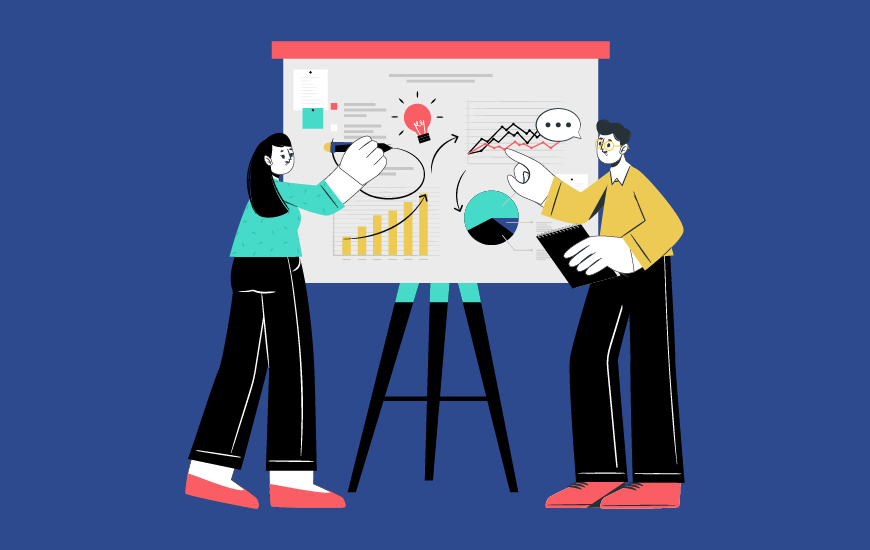
For startups and small businesses, identifying and analyzing the target market is crucial for the success of any marketing campaign. Without a clear understanding of who your customers are, it can be challenging to create effective ads that resonate with them.
To begin with, it’s important to define your target market by identifying key demographic characteristics such as:
- age,
- gender,
- income, and
- location.
You can also consider psychographic factors such as:
- interests,
- values, and
- lifestyle choices.
Once you’ve defined your target market, you can use Facebook’s audience targeting tools to create ads that reach the right people.
Facebook allows you to target your ads based on a wide range of criteria, including location, interests, behaviors, and even past purchase history.
One useful tool for analyzing your target market is Facebook’s Audience Insights. This tool provides valuable insights into the characteristics of your target audience, including their age, gender, location, interests, and more.
You can use this information to refine your targeting and create ads that are more likely to resonate with your audience.
Another important factor to consider when analyzing your target market is their stage in the customer journey.

For example, if you’re targeting customers who are in the awareness stage, your ads should focus on building brand awareness and introducing your business to new customers.
On the other hand, if you’re targeting customers who are in the consideration or decision stages, your ads should focus on highlighting the benefits of your products or services and encouraging them to make a purchase.
In addition to Facebook’s targeting tools, you can also use data from your website or social media channels to gain insights into your target market.
By analyzing metrics such as page views, bounce rates, and engagement rates, you can gain a better understanding of the types of content that resonates with your audience and adjust your ad strategy accordingly.
Analyzing the target market is a critical step for startups and small businesses looking to succeed with Facebook ads. By defining your target market, using Facebook’s targeting tools, and analyzing data from your channels, you can create ads that resonate with your audience and drive meaningful results for your business.
Setting Up the Facebook Ads Account for Startups and Small Businesses
When it comes to social media advertising, Facebook Ads are some of the most powerful tools available to startups and small businesses. Facebook has over 2.8 billion monthly active users, making it the largest social media platform in the world. Facebook Ads allow businesses to target specific audiences based on demographics, interests, behaviors, and more.
To set up a Facebook Ads account for your startup or small business, follow these steps:

Step 1: Create a Business Manager Account
To create a Facebook Ads account, you will need to first create a Business Manager account. This account will allow you to manage your Facebook advertising from a single dashboard. To create a Business Manager account, go to business.facebook.com and follow the prompts to set up your account.
Step 2: Create a Facebook Ads Account
Once you have your Business Manager account set up, you can create a Facebook Ads account. To do this, click on “Ads Manager” in the left-hand menu of your Business Manager dashboard. From there, you can create a new Ads account and set up your payment information.
Step 3: Set Up Your Ad Campaign
Now that your Ads account is set up, it’s time to create your first ad campaign. To do this, click on “Create” in the Ads Manager dashboard and choose the objective of your campaign. Facebook offers a range of objectives to choose from, including brand awareness, lead generation, and conversions.
Step 4: Define Your Audience
One of the most powerful features of Facebook Ads is the ability to target specific audiences. To define your audience, click on the “Audience” tab in the Ads Manager dashboard. From there, you can choose from a range of targeting options, including demographics, interests, behaviors, and more.
Step 5: Set Your Budget and Schedule
Finally, you will need to set your budget and schedule for your ad campaign. Facebook Ads offers a range of budget and bidding options, including daily budget and lifetime budget. You can also set a schedule for your campaign to run on specific days and times.
Setting up a Facebook Ads account for your startup or small business is a powerful way to reach new audiences and grow your business. By following these steps, you can create effective ad campaigns that drive meaningful results for your business.
Creating a Facebook Ads Campaign for Startups and Small Businesses
Facebook Ads is a powerful tool that can help startups and small businesses reach new customers and grow their businesses. However, creating a successful Facebook Ads campaign can be challenging, especially if you are new to advertising on Facebook.
Step 1: Define Your Objectives
Before creating your Facebook Ads campaign, you need to define your objectives. What do you want to achieve with your campaign? Do you want to increase brand awareness, generate leads, or drive sales? Once you have defined your objectives, you can create a campaign that is tailored to your goals.
Step 2: Define Your Target Audience
To create a successful Facebook Ads campaign, you need to define your target audience. Who are you trying to reach? What are their interests, behaviors, and demographics? Facebook provides a range of targeting options that can help you reach your ideal audience.
Step 3: Choose Your Ad Format
Facebook offers a range of ad formats, including image ads, video ads, carousel ads, and more. Choose an ad format that is best suited to your objectives and target audience.
Step 4: Create Your Ad Creative
Your ad creative is the visual and textual content that will appear in your ad. It is important to create ad creative that is eye-catching, engaging, and relevant to your target audience.
Step 5: Set Your Budget and Bidding Strategy
You need to decide how much you want to spend on your Facebook Ads campaign and what bidding strategy you want to use. Facebook offers a range of bidding strategies that can help you optimize your campaign for your objectives and budget.
Step 6: Launch Your Campaign and Monitor your Performance
Once you have created your Facebook Ads campaign, it’s time to launch it. Monitor the performance of your campaign regularly and make adjustments as needed. Facebook provides a range of metrics that can help you track the success of your campaign, including reach, impressions, clicks, and conversions.
Creating a successful Facebook Ads campaign for startups and small businesses requires careful planning, targeting, and creative execution.
Monitoring and Optimizing the Facebook Ads Campaign for Startups and Small Businesses
Monitoring and optimizing your Facebook ads campaign is crucial for the success of your startup or small business. With the right strategies, you can increase your reach, engagement, and conversions, while reducing your costs and maximizing your ROI.
Here are some tips and tools to help you monitor and optimize your Facebook ads campaign:
1. Set up conversion tracking: Conversion tracking allows you to track the actions that people take on your website after clicking on your ads, such as making a purchase, filling out a form, or subscribing to your newsletter. This data can help you optimize your ads for the actions that are most valuable to your business.
2. Use Facebook Pixel: Facebook Pixel is a piece of code that you can add to your website to track the actions that people take on your site, such as viewing a product page, adding a product to a cart, or making a purchase. This data can help you create custom audiences, retargeting campaigns, and lookalike audiences.
3. Analyze your data: Use Facebook Ads Manager to analyze your data and identify the best-performing ads, ad sets, and audiences. Look for patterns and trends, such as the time of day, day of the week, or device type that generates the most conversions.
4. Test and optimize: Test different ad formats, images, copy, and targeting options to see what works best for your business. Use A/B testing to compare two versions of an ad and determine which one performs better. Optimize your ads based on your data and insights.
5. Use automation tools: Use automation tools such as AdEspresso, Hootsuite Ads, or Qwaya to automate your ad creation, testing, and optimization. These tools can save you time and help you scale your campaigns.
By monitoring and optimizing your Facebook ads campaign, you can improve your results, reach your target audience, and grow your business. Remember to stay up-to-date with the latest Facebook Ads features and best practices, and to adapt your strategy accordingly.
Facebook Ads Account Management is a crucial aspect of any business that wants to succeed in the digital world. It involves the creation, optimization, and monitoring of Facebook ad campaigns to achieve specific business objectives.
To ensure a successful Facebook Ads Account Management, it is important to follow a structured approach that involves the following steps:
1. Setting up a Facebook Ads Account: This involves creating a Facebook Ads account and setting up the necessary payment methods. It is important to ensure that the account is properly linked to the business’s Facebook page.
2. Defining Campaign Objectives: This step involves identifying the business objectives that the Facebook ads campaign aims to achieve. Objectives could be to increase brand awareness, generate leads, or drive sales.
3. Identifying Target Audience: It is important to identify the target audience that the Facebook ads campaign will be targeting. This involves defining the target audience’s demographics, interests, behaviors, and location.
4. Designing Ad Creatives: Ad creatives are the visual elements of Facebook ads campaigns. It is important to design ad creatives that are visually appealing, relevant to the target audience, and aligned with the campaign objectives.
5. Setting up Ad Campaigns: This involves setting up the ad campaigns, ad sets, and ads within the Facebook Ads Manager. It is important to ensure that the ad campaigns are properly structured and have the right targeting parameters.
6. Monitoring and Optimization: Monitoring and optimization involve tracking the performance of the Facebook ads campaigns and making necessary adjustments to improve results. This could involve tweaking ad creatives, targeting parameters, or bidding strategies.
Facebook Ads Account Management is a critical aspect of any business that wants to succeed in the digital world.
By following a structured approach that involves setting up a Facebook Ads account, defining campaign objectives, identifying target audiences, designing ad creatives, setting up ad campaigns, and monitoring and optimizing campaigns, businesses can achieve their desired results from Facebook ads campaigns.
The Importance of Facebook Ads Account Management
Facebook Ads is a powerful platform that can help businesses of all sizes to reach their target audience and grow their customer base.
However, managing a Facebook Ads account can be a complex and time-consuming task, requiring expertise and experience to get the best results.
That’s where Facebook Ads Account Management comes in.
Facebook Ads Account Management is the process of overseeing and optimizing a business’s Facebook Ads account to achieve its advertising goals.
It involves creating and managing ad campaigns, analyzing data, and making strategic decisions to improve performance.
Performing Facebook Ads Account Management is essential for any business that wants to succeed on the platform. Without proper management, businesses risk wasting ad spend on ineffective campaigns, missing out on potential customers, and falling behind their competitors.
For E-commerce businesses, Facebook Ads Account Management is especially crucial. With the rise of online shopping, competition in the e-commerce space has become increasingly fierce.
Effective Facebook Ads management can help businesses to stand out from the crowd, attract more customers, and increase sales.
Startups and small businesses can also benefit greatly from Facebook Ads Account Management. As these businesses often have limited resources and budgets, every dollar spent on advertising needs to count.
Effective Facebook Ads management can help these businesses to maximize their ad spend and achieve their goals without breaking the bank.
Future of Facebook Ads Account Management
The future of Facebook Ads Account Management is an exciting prospect. As technology continues to advance, Facebook is constantly introducing new features and tools to help businesses reach their target audience more effectively.
One of the most significant trends in Facebook Ads Account Management is the increasing use of artificial intelligence (AI) and machine learning.
Facebook’s AI algorithms are becoming more sophisticated, allowing advertisers to target their ads more precisely than ever before. AI can analyze vast amounts of data and identify patterns that humans may not be able to see, helping to optimize advertising campaigns and improve ROI.
Another trend is the growing importance of mobile advertising. With more and more people accessing the internet through their smartphones, mobile advertising is becoming essential for businesses that want to reach their target audience.
Facebook’s mobile app is one of the most popular in the world, making it an ideal platform for mobile advertising campaigns.
Facebook is also introducing new ad formats and features to help businesses engage with their audience in more creative ways.
For example, Facebook Stories and Live Videos are powerful tools for building brand awareness and connecting with customers in real-time. As these features continue to evolve, businesses will have even more opportunities to create engaging ad campaigns that resonate with their target audience.
Finally, data privacy and security are becoming increasingly important for businesses that use Facebook Ads Account Management. Facebook has faced several high-profile data breaches in recent years, which has led to greater scrutiny from regulators and consumers.
As a result, businesses must ensure that they are using Facebook’s tools in a way that complies with data privacy regulations and protects their customers’ personal information.
The future of Facebook Ads Account Management is bright. With new technologies, features, and tools constantly being introduced, businesses have more opportunities than ever before to reach their target audience and achieve their marketing goals.
By staying up-to-date with the latest trends and best practices, businesses can ensure that they are using Facebook Ads Account Management in the most effective way possible.
Facebook Ads Glossary
Facebook Ads can be a bit daunting, especially for those who are new to the platform.
To help you navigate the world of Facebook Ads, we’ve put together a glossary of key terms that you’ll encounter as you manage your ads.
Ad Account: This is the account where you create, manage, and run your Facebook Ads. You can have multiple ad accounts, and each account can have multiple campaigns.
Campaign: A campaign is a set of ads that share the same objective. You can have multiple ad sets and ads within a campaign.
Ad Set: An ad set is a group of ads that share the same target audience, budget, and schedule. You can have multiple ads within an ad set.
Ad: An ad is the creative element of your Facebook Ad. It can be an image, video, carousel, or collection.
Objective: Your objective is the goal of your ad campaign. Facebook offers a variety of objectives, including awareness, consideration, and conversion.
Audience: Your audience is the group of people you want to target with your ad. You can target based on demographics, interests, behaviors, and more.
Placement: Placement refers to where your ad will be shown on Facebook, Instagram, or the Audience Network.
Budget: Your budget is the amount of money you’re willing to spend on your ad campaign.
Bid: Your bid is the amount of money you’re willing to pay for a desired outcome, such as a click or impression.
Conversion: A conversion is when someone takes a desired action after clicking on your ad, such as making a purchase or filling out a form.
Pixel: A pixel is a piece of code that you place on your website to track conversions and optimize your ads.
Relevance Score: Relevance score is a metric that measures how well your ad resonates with your target audience. A higher relevance score can lead to lower costs and better performance.
Now that you’re familiar with some of the key terms you’ll encounter as you manage your Facebook Ads account, you can start creating and optimizing your ads with confidence.
Facebook Ads Resources
Facebook Ads is a powerful tool for businesses of all sizes to reach their target audience and drive conversions. However, managing a Facebook Ads account can be overwhelming, especially for those who are new to the platform.
To help you navigate the world of Facebook Ads, we’ve compiled a list of resources that can help you get started and improve your campaigns.
Facebook Blueprint
Facebook Blueprint is a free online training platform that offers courses and certifications on Facebook Ads. The courses cover a wide range of topics, from the basics of creating an ad to advanced targeting strategies. Whether you’re a beginner or an experienced marketer, Facebook Blueprint has something for everyone.
Facebook Ads Help Center
The Facebook Ads Help Center is a comprehensive resource for all things related to Facebook Ads. It contains step-by-step guides on setting up and managing your ads, troubleshooting issues, and optimizing your campaigns. The Help Center also includes a community forum where you can ask questions and get advice from other advertisers.
Facebook Ads Library
The Facebook Ads Library is a database of all the ads currently running on Facebook and Instagram. It allows you to search for ads by keyword, advertiser, or topic, and see how they’re performing. This can be a great source of inspiration for your ad campaigns and help you stay on top of industry trends.
Facebook Ads Manager App
The Facebook Ads Manager app is a mobile app that allows you to manage your ads on the go. With the app, you can create and edit ads, track performance, and receive notifications when there are issues with your campaigns. This can be especially useful for small business owners who don’t have a dedicated marketing team.
Facebook Ads Consultants
If you’re feeling overwhelmed by Facebook Ads and need some expert help, consider hiring a Facebook Ads consultant. These professionals can help you create and optimize your campaigns, analyze your data, and provide ongoing support. While it can be a significant investment, working with a consultant can save you time and money in the long run.
Facebook Ads can be a powerful tool for businesses of all sizes, but they can also be challenging to navigate. By utilizing these resources, you can improve your campaigns, reach your target audience, and drive conversions.
Facebook Ads Case Studies
Case studies are one of the most effective ways to learn about the best practices and strategies for Facebook Ads account management.
Through these studies, you can see how other businesses have successfully used Facebook Ads to drive traffic, increase conversions, and generate revenue.
Case Study 1: Dollar Shave Club
Dollar Shave Club is an online subscription service that delivers razors and other personal grooming products to customers. The company used Facebook Ads to reach its target audience and generated over $1 billion in revenue. The company’s strategy was to create engaging videos that showcased its products and value proposition. The videos were humorous and relatable, and they resonated with the target audience. Dollar Shave Club also used Facebook Ads to retarget customers who had abandoned their carts, resulting in a 240% increase in conversions.
Case Study 2: Hootsuite
Hootsuite is a social media management platform that helps businesses manage their social media accounts. The company used Facebook Ads to increase brand awareness and drive traffic to its website. Hootsuite created a series of visually appealing ads that highlighted the benefits of its platform. The ads were targeted to social media managers and marketers, resulting in a 3x increase in website traffic and a 2x increase in sign-ups.
Case Study 3: Airbnb
Airbnb is an online marketplace that connects travelers with hosts who rent out their homes or apartments. The company used Facebook Ads to increase bookings and generate revenue. Airbnb created a series of ads that showcased the unique and interesting places available for rent. The ads were targeted to travelers who were planning trips to specific destinations. Through its Facebook Ads campaigns, Airbnb generated over $1 billion in bookings.
These case studies illustrate the power of Facebook Ads when used correctly. By creating engaging content and targeting the right audience, businesses can drive traffic, increase conversions, and generate revenue. As a Facebook Ads account manager, it is important to study these successful campaigns and apply the strategies and tactics that work best for your clients.
wrapping Up
Facebook Ads case studies are a valuable resource for anyone looking to optimize their Facebook Ads campaigns. By studying successful campaigns from other businesses, you can learn the best practices and strategies for driving traffic, increasing conversions, and generating revenue. As a Facebook Ads account manager, it is important to stay up-to-date with the latest trends and techniques in Facebook Ads account management, and case studies are an excellent way to do this.
We offer a range of services to give your business an online presence, allowing you to focus your time and energy on the rest of your company, contact us at MySalesScript.com.