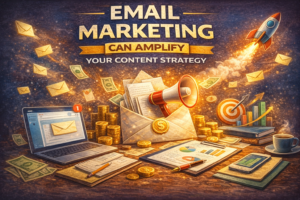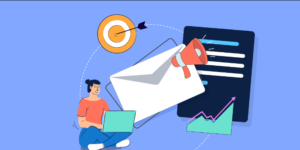
In the world of sales, email outreach has become an essential tool for generating leads, creating brand awareness, and driving sales.
With the rise of digital communication, email outreach has become one of the most effective ways to reach potential customers and build relationships with them.
Create an Email Outreach Campaign

Creating an email outreach campaign can be a powerful tool for sales teams. By crafting targeted and personalized messages, sales professionals can increase the chances of converting prospects into customers. An effective email outreach campaign should have a clear goal and a well-defined target audience.
The content of the email should be relevant, informative, and engaging, and should convey the benefits of the product or service being offered. Personalization is key, and sales professionals should take the time to research their target audience and tailor their messages accordingly.
Email Outreach for Event Promotions

Email outreach is a powerful tool for promoting events. By sending targeted messages to potential attendees, sales professionals can increase the visibility of their event and generate interest.
In addition to promoting the event, email outreach can also be used to provide valuable information to attendees, such as event schedules, speaker bios, and other relevant details.
By keeping attendees informed and engaged, sales professionals can build relationships that can lead to future business opportunities.
Email Outreach for Lead Generation
Email outreach is an effective way to generate leads for sales teams.
- By sending targeted messages to potential customers, sales professionals can build relationships and create interest in their products or services.
- The key to successful lead generation is personalization. Sales professionals should take the time to research their target audience and tailor their messages accordingly.
- By providing valuable information and offering solutions to their problems, sales professionals can build trust and establish themselves as experts in their field.
Email outreach is an essential tool for sales professionals. Whether you are creating an email outreach campaign, promoting an event, or generating leads, email outreach can help you reach your goals and achieve success.
By crafting targeted and personalized messages, and providing valuable information to your audience, you can build relationships that can lead to long-term business success.
The Ultimate Guide to Creating a Successful Email Outreach Campaign for Sales is the go-to manual for anyone who wants to improve their email outreach campaigns.
Overall, The Ultimate Guide to Creating a Successful Email Outreach Campaign for Sales is the definitive guide to creating effective email outreach campaigns. Whether you are a seasoned sales professional or just starting out, this book will provide you with the tools and strategies you need to succeed in today’s competitive sales environment.
Understanding the Target Audience
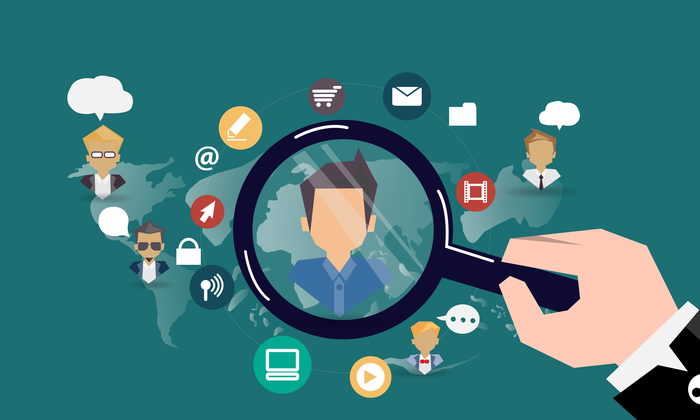
In order to create a successful email outreach campaign for sales, it is essential to understand your target audience. Without knowing who you are targeting, it is impossible to create an effective email that will resonate with them and ultimately lead to conversions.
The first step in understanding your target audience is to identify who they are.
- This includes demographics such as age, gender, location, and job title. It is also important to consider psychographics, such as values, beliefs, interests, and behaviors.
- By understanding these factors, you can tailor your email outreach campaign to appeal to your audience.
- Once you have identified your target audience, it is important to understand their pain points and challenges.
- What keeps them up at night?
- What are their biggest obstacles to success?
- By understanding these challenges, you can position your product or service as the solution they need.
Another important factor to consider when understanding your target audience is their level of awareness.
- Are they aware of your product or service, or do they need to be educated?
- If they are not aware, your email outreach campaign should focus on introducing your brand and highlighting its benefits.
- If they are aware, your campaign should focus on building trust and credibility.
It is also important to consider the stage of the buyer’s journey that your target audience is in.
- Are they in the awareness stage, considering their options, or ready to make a purchase?
- By understanding where they are in the buyer’s journey, you can tailor your email outreach campaign to meet their needs and move them closer to a purchase decision.
Identifying the purpose of the campaign
Before you start crafting your email outreach campaign, it is crucial to identify the purpose behind it.
Understanding the objective of your campaign will help you create a targeted and effective message that resonates with your target audience.
- If your goal is to create an email outreach campaign that resonates with your target audience, you first need to identify what you want to achieve.
- Whether to increase brand awareness, promote a product or service, or drive traffic to your website, every email you send out should have a clear objective.
- Start by analyzing your target audience and their needs.
- What problems are they facing, and how can your product or service help solve them?
- Once you have identified your target audience’s needs, craft a message that speaks directly to them, highlighting how your product or service can make their lives better.
If you are using email outreach for event promotions, your objective should be to generate buzz and excitement around your event. Whether you are hosting a webinar, conference, or launch party, your email content should be designed to engage your target audience and entice them to attend.
Start by crafting a compelling subject line that grabs your reader’s attention and encourages them to open the email. Next, include all the essential details about your event, such as the date, time, location, and any speakers or performers.
Finally, include a call-to-action that encourages your readers to RSVP, purchase tickets, or share the event with their networks.
When it comes to email outreach for lead generation, your objective should be:
- generate high-quality leads that are interested in your product or service.
- Start by creating a targeted email list that includes individuals who fit your target audience’s profile.
- Next, craft a message that speaks directly to your target audience’s pain points and highlights how your product or service can solve their problems.
- Finally, include a call-to-action that encourages your readers to take the next step, such as scheduling a call or signing up for a free trial.
Defining the Target Audience

- To create a successful email outreach campaign, it is essential to understand your target audience.
- Without a clear understanding of who you are writing to, your email may not be effective in achieving the end goal.
- Your target audience is the group of people who are most likely to buy your product or service, attend your event, or become a lead.
- Before starting your email outreach campaign, you need to define your target audience. Who is your ideal customer or client?
- What are their interests, pain points, and demographics?
- Understanding these factors will help you create a more personalized and effective email outreach campaign.
- The more specific you can be, the better. You want to create a message that resonates with your target audience and encourages them to take action.
Email outreach for event promotions
When promoting an event, it is important to know who your target audience is.
- Are you targeting a specific age group, industry, or geographic location?
- Understanding your target audience will help you create a message that is relevant and compelling.
- You want to create excitement around your event and entice your target audience to attend.
- Use your email outreach campaign to highlight the benefits of attending your event and why it is a must-attend.
When generating leads, it is important to know who your target audience is and what motivates them.
- What are their pain points, challenges, and goals?
- Understanding these factors will help you create a message that resonates with your target audience and encourages them to take action.
- Use your email outreach campaign to offer solutions to their pain points and show how your product or service can help them achieve their goals.
Creating a List of Recipients
One of the most critical components of a successful email outreach campaign is creating a targeted list of recipients. The more targeted your list is, the higher the chances of converting your prospects into customers.
To begin, you must first identify your target audience.
- Who are you trying to reach?
- What are their interests, demographics, and pain points?
Once you have identified your target audience, you can create a list of potential recipients.
Here are some tips on creating a list of recipients for your email outreach campaign:
1. Use Existing Contacts
Start with your existing contacts. If you have a customer base, reach out to them first. They are already familiar with your brand and are more likely to engage with your emails. You can also reach out to your social media followers or people who have signed up for your newsletter.
2. Conduct Research
Do some research to identify potential recipients. Look for people who have shown interest in your industry or competitors. You can use tools like LinkedIn, Google, or industry-specific directories to find potential contacts.
3. Segment Your List
Segment your list based on different criteria such as demographics, interests, or previous interactions with your brand. This will help you create more targeted emails that speak directly to your audience’s interests and pain points.
4. Use Tools
Use email outreach tools to help you create your list. Tools like Hunter, Voila Norbert, or Clearbit can help you find email addresses and verify them. You can also use CRM tools like HubSpot or Salesforce to manage your list and track interactions with your prospects.
5. Keep Your List Clean
Regularly clean your list to remove invalid email addresses or people who have unsubscribed. This will ensure that your emails reach the right people and improve your email deliverability rates.
Creating a targeted list of recipients is crucial for the success of your email outreach campaign. By following these tips, you can create a list that speaks directly to your audience’s interests and pain points, increasing your chances of converting them into customers.
Crafting an Effective Subject Line
The subject line is the first thing that your recipients see when they receive your email. It is the most important part of your email because it determines whether your email will be opened or sent to the trash bin.
Therefore, it is critical to crafting an effective subject line that stands out and grabs the attention of your audience.
Here are some tips to help you create a subject line that will increase your open rates.
1. Keep it short and sweet
Your subject line should be concise and to the point. Use 50 characters or less to make sure your entire subject line is visible on mobile devices.
2. Personalize it
Personalization is key when it comes to email outreach. Use the recipient’s name in the subject line to grab their attention and make them feel special.
3. Use numbers
Numbers are eye-catching and can help your subject line stand out in a crowded inbox. For example, “5 Tips to Boost Your Sales” is more attention-grabbing than “Tips to Boost Your Sales.”
4. Create urgency
Use urgent language to create a sense of urgency and encourage the recipient to act on your email. For example, “Limited Time Offer: 50% Off Today Only” is more effective than “New Products Available.”
5. Use action-oriented language
Use action-oriented language to encourage the recipient to take action. For example, “Download Our Free Guide” is more effective than “Our Guide is Available.”
6. A/B test your subject lines
Testing different subject lines can help you determine what works best for your audience. Try testing different subject lines for the same email to see which one performs better.
Writing a compelling email
Writing a compelling email is the backbone of a successful email outreach campaign. It is the first point of contact between the sales representative and the recipient.
Therefore, it must be well-crafted to grab the recipient’s attention and encourage them to take the desired action.
Here are some tips to help you craft a compelling email that resonates with your audience.
1. Personalize your email: Address the recipient by their first name and use a friendly tone to create a personal connection.
2. Use a catchy subject line: A subject line is the first thing the recipient sees, so make it attention-grabbing and relevant to the content of the email.
3. Keep it short and concise: Your email should be easy to read and clearly convey your message. Avoid lengthy paragraphs and use bullet points where necessary.
4. Highlight the benefits: Focus on how your product or service can benefit the recipient rather than just listing features.
5. Use persuasive language: Use action-oriented language and persuasive words to encourage the recipient to take the desired action.
6. Include a call-to-action: Clearly state the desired action you want the recipient to take, whether it’s to sign up for a newsletter, attend an event, or purchase a product.
7. Follow up: If you don’t receive a response after a certain amount of time, follow up with a friendly reminder email.
When writing an email outreach campaign for event promotions, it’s essential to include details about the event, such as the date, time, location, and any special guests or features.
Highlight the benefits of attending the event and create a sense of urgency by emphasizing limited availability or early bird pricing.
For email outreach campaigns for lead generation, focus on addressing the recipient’s pain points and how your product or service can solve them. Include case studies or testimonials to showcase your credibility and provide social proof. Additionally, make sure you are targeting the right audience and segment your email list accordingly.
Personalization and customization of emails
Personalization and customization are two crucial factors in the success of an email outreach campaign. In today’s world, customers expect personalized experiences from the businesses they interact with. Emails are no exception. Personalized emails have a higher open rate and click-through rate than generic emails. In this subchapter, we will discuss the importance of personalization and customization in an email outreach campaign and how to do it effectively.
Personalization:
Personalization refers to tailoring the email content to the individual recipient. A personalized email should address the recipient by name, mention their previous interactions with your business, and offer content that is relevant to their interests. Personalization can be as simple as adding the recipient’s name to the subject line or as complex as segmenting your email list and sending different content to each segment.
One way to personalize your email is to use dynamic content. Dynamic content allows you to change the content of an email based on the recipient’s behavior, preferences, or location. For example, if a recipient has previously purchased a product from your website, you can include product recommendations based on their purchase history in the email.
Customization:
Customization refers to tailoring the email design to the recipient. Customized emails should be visually appealing and easy to read. Customization can be as simple as using the recipient’s preferred language or as complex as creating a unique design for each recipient.
One way to customize your email is to use a responsive design. Responsive design ensures that your email looks good on any device, whether it’s a desktop computer, tablet, or smartphone. This is important because more than half of all emails are read on mobile devices.
Another way to customize your email is to use images and videos. Visual content is more engaging than text alone. Use images and videos to showcase your product or service and make your email more visually appealing.
Conclusion:
Personalization and customization are essential for a successful email outreach campaign. A personalized and customized email can make the recipient feel valued and increase the chances of them taking action. Use dynamic content, responsive design, and visual content to make your email stand out and engage your audience. Remember, the key to personalization and customization is to make the recipient feel like you are speaking directly to them. Adding relevant links and attachments
Adding relevant links and attachments is a crucial part of creating a successful email outreach campaign for sales. By doing so, you can provide your potential customers with additional information that can help them make a decision.
Here’s how you can effectively add relevant links and attachments to your emails:
1. Use hyperlinks: Hyperlinks are a great way to provide additional information without taking up too much space in your email. When creating hyperlinks, make sure they’re relevant to the content of your email and lead to trustworthy sources.
2. Attach relevant files: If you have a file that can help your potential customer make a decision, attach it to your email. This could be a brochure, a case study, or even a video. However, make sure the attachment isn’t too large, as it may not be able to be delivered to the recipient.
3. Use screenshots: If you’re trying to explain something that’s difficult to understand, use a screenshot. This can be especially helpful when trying to explain a process or a product feature.
4. Provide social media links: If you’re active on social media, provide links to your profiles. This can help your potential customers get a better sense of your brand and what you stand for.
5. Use call-to-actions: When adding links and attachments, make sure you’re using call-to-actions. This can help encourage your potential customers to click on the links and engage with your content.
When adding links and attachments, make sure you’re not overwhelming your potential customers with too much information. Keep it relevant and concise, and always make sure it’s adding value to your email outreach campaign.
Testing and optimization of emails
Testing and optimization of emails are crucial to the success of your email outreach campaign. Sending out emails blindly without testing and optimizing them can be a waste of time and resources. It is essential to take the time to test and optimize your emails to ensure they are effective in achieving the desired outcome.
There are several elements of an email that you can test and optimize to increase engagement and conversion rates. These elements include:
- the subject line,
- body copy,
- call-to-action (CTA),
- images,
- timing.
Subject lines are the first thing that recipients see when they receive your email.
A compelling subject line can entice recipients to open your email, while a boring or uninspiring subject line can lead to your email being deleted.
A/B testing different subject lines can help you determine which one resonates with your audience and increases open rates.
The body copy is where you communicate your message and the value proposition of your email. Testing different copy variations can help you identify the most effective messaging that resonates with your audience.
CTAs are the key to driving conversions in your email. Testing different CTAs can help you determine which one is most effective in getting recipients to take action.
Images can be a powerful tool in your email outreach campaign. However, testing different images can help you determine which ones resonate with your audience and lead to higher engagement rates.
Timing is another critical factor in email outreach. Testing different send times can help you identify the optimal time to send your emails, which can lead to higher open and engagement rates.
The role of email outreach in event promotions
- Email outreach has become an integral part of event promotions in recent years. It has proven to be a powerful tool for reaching out to potential attendees, sponsors, and partners.
- Event promotions are all about getting the word out and attracting as many attendees as possible. Email outreach can help you achieve this goal by allowing you to connect with your target audience directly.
- With email outreach, you can send personalized messages to your potential attendees, highlighting the benefits of attending your event and why they should not miss it.
- Email outreach is also an effective way to generate leads for your event. By sending targeted messages to your potential attendees, you can encourage them to sign up for your event, subscribe to your newsletter, or follow you on social media.
-
This will help you build a list of highly engaged prospects that you can nurture and convert into attendees.
- When it comes to event promotions, email outreach can also help you reach out to potential sponsors and partners. By sending personalized messages to your target sponsors and partners, you can communicate the benefits of partnering with your event and how it can help them achieve their marketing goals.
- This will help you attract the right sponsors and partners for your event, who can help you promote your event and provide additional value to your attendees.
Creating an Event Promotion Email
Email outreach for event promotions is one of the most effective ways to drive attendance to your event. However, with the sheer number of promotional emails that people receive every day, it’s crucial to create an email that stands out and captures your readers’ attention. Here are some essential tips to help you create an event promotion email that will drive more attendees to your event.
1. Start with a compelling subject line
Your subject line is the first thing that your recipients will see, so it’s crucial to make it compelling. Use action-oriented language and create a sense of urgency to entice your readers to open the email. For example, “Join us for an unforgettable night of music and fun!” will grab your readers’ attention and encourage them to learn more about your event.
2. Keep it short and sweet
People have short attention spans, and they won’t read long emails. Keep your event promotion email short and to the point. Highlight the most important details about your event, such as the date, time, location, and what attendees can expect to experience. Use bullet points to make the information easy to read and digest.
3. Use visuals
Visuals are a powerful tool to capture your readers’ attention and convey the excitement of your event. Include high-quality images or videos that showcase the highlights of your event, such as the performers, speakers, or activities. Make sure the visuals are relevant to your message and are optimized for mobile devices.
4. Provide a clear call-to-action
Your email should have a clear call to action that prompts your readers to take action, such as registering for the event or purchasing tickets. Use action-oriented language and make it easy for readers to take the desired action, such as providing a prominent “Register Now” button.
5. Personalize your email
Personalization can significantly increase the effectiveness of your event promotion email. Use your recipient’s name in the subject line and throughout the email. Segment your email list based on their interests, location, or past attendance to provide personalized content that resonates with your readers.
The Importance of Timing
Timing is everything in life, and the same goes for email outreach campaigns. Knowing when to send your emails can make a big difference in the success of your campaign. Timing can be the difference between getting a response and being ignored.
The following are the reasons why timing is crucial in email outreach campaigns.
1. The right time increases your open rates.
- The best time to send emails is during working hours, Monday to Friday.
- People are more likely to open emails during the week, and during working hours, they have a higher chance of seeing and reading your email.
- Sending emails during weekends or holidays may result in lower open rates since people are less likely to check their emails during these times.
2. The right time enhances your response rates.
- Sending emails at the right time can increase your response rates.
- For example, if you’re promoting an event, sending your email a few weeks before the event can increase the chances of people responding positively.
- Similarly, if you’re generating leads, sending your email when your target audience is most active can increase your response rates.
3. The right time improves your conversion rates.
- Timing can also affect your conversion rates.
- If you send your email at the right time, you increase the chances of your audience taking the desired action, such as signing up for an event, purchasing a product, or booking a consultation.
- The right time can enhance your conversion rates, which can ultimately lead to more sales.
4. The right time helps you avoid spam filters.
- Sending emails at the wrong time can land your email in the spam folder.
- If your email lands in the spam folder, it’s less likely to be seen or read by your target audience.
- By sending emails at the right time, you can avoid spam filters and increase the chances of your email reaching your target audience’s inbox.
The art of follow-up emails
- The art of follow-up emails is an essential part of any successful email outreach campaign. While crafting the perfect initial email is important, it’s equally important to follow up with potential leads in a timely and strategic manner.
- Timing is everything when it comes to follow-up emails.
- You don’t want to wait too long before sending your first follow-up, but you also don’t want to come across as pushy or desperate.
- A good rule of thumb is to wait three to five business days after sending your initial email before sending a follow-up.
- This gives the recipient enough time to open and read your email, but not so much time that they forget about it.
When crafting your follow-up email, you should reference your previous email to remind the recipient of your initial message. This helps to jog their memory and puts your follow-up in context. You can also use this opportunity to provide additional information or answer any questions they may have had about your initial email.
Personalization is key when it comes to follow-up emails. Make sure you address the recipient by name and reference any specific information from their previous communication with you. This shows that you’re paying attention to their needs and are invested in their success.
Another important aspect of follow-up emails is the call to action. Make sure you’re clear about what you want the recipient to do, whether it’s scheduling a call, attending an event, or signing up for a newsletter. Keep your call to action simple and direct, and make it easy for the recipient to take action by providing clear instructions and links.
Tracking and measuring the success of event promotion emails
- Tracking and measuring the success of event promotion emails is crucial to the success of your email outreach campaign.
- Without proper tracking and measurement, it is impossible to determine if your email campaign is effective, if changes need to be made, or if you need to try a different approach altogether.
The Importance of Tracking and Measuring
- Tracking and measuring the success of your event promotion emails is essential to understanding what works and what doesn’t work in your email outreach campaign.
- By monitoring the performance of your emails, you can identify which emails are generating the most interest and engagement from your audience.
- This information can then be used to optimize your campaign, making it more effective and efficient.
Key Metrics to Track
When tracking and measuring the success of your event promotion emails, there are several key metrics that you should be monitoring.
These include:
- open rates,
- click-through rates,
- conversion rates,
- bounce rates,
- unsubscribe rates.
Open rates measure the percentage of people who opened your email,
while click-through rates measure the percentage of people who clicked on a link within your email. Conversion rates measure the percentage of people who took the desired action (e.g., registered for an event) after clicking on a link in your email.
Bounce rates measure the percentage of emails that were undeliverable,
and unsubscribe rates measure the percentage of people who opted out of your email list.
Using Data to Optimize Your Campaign
Once you have collected data on the performance of your event promotion emails, you can use this information to optimize your campaign. For example,
- if you notice that your open rates are low, you may need to work on improving your subject lines or sender name.
- If your click-through rates are low, you may need to re-evaluate your email content or call to action. By making these small changes, you can improve the overall effectiveness of your email outreach campaign and increase your chances of success.
Understanding Lead Generation through Email Outreach
Email outreach is one of the most effective marketing strategies for generating leads. It allows you to reach out to potential customers directly and build a relationship with them. However, to generate leads, you need to understand the process of lead generation through email outreach.
- The first step in lead generation through email outreach is to identify your target audience. You need to know who you are trying to reach and what their pain points are. This will help you tailor your message to their needs and increase the chances of them responding positively.
- Once you have identified your target audience, you need to create a compelling message that will grab their attention. Your message should be short, concise, and focused on the benefits of your product or service. Make sure to include a clear call-to-action that tells the recipient what to do next.
- The next step is to build a list of potential leads. There are a number of ways to do this, including using social media, online directories, and lead generation tools. Once you have a list of potential leads, you can start sending out your email outreach campaign.
- It is important to personalize your outreach emails as much as possible. This means using the recipient’s name, addressing their pain points, and tailoring your message to their specific needs. Personalization can significantly increase the chances of a recipient responding positively to your outreach email.
Finally, it is important to track and analyze the results of your email outreach campaign. This will help you identify what is working and what needs to be improved. You can use email analytics tools to track open rates, click-through rates, and conversion rates.
Crafting lead generation emails
Email outreach is an effective way to generate leads for your business. However, not all emails are created equal, and not all emails are equally effective when it comes to lead generation. Crafting highly effective lead-generation emails is an art that requires a combination of creativity, strategy, and attention to detail.
Here are some tips to help you craft highly effective lead-generation emails that will help you generate more leads and increase your sales:
1. Personalize your emails
Personalization is key when it comes to lead-generation emails. No one wants to receive a generic email that looks like it was sent to dozens of other people. Use the recipient’s name, and make sure the email is relevant to their interests and needs.
2. Keep it short and sweet
Long, rambling emails are a surefire way to lose your reader’s attention. Keep your lead generation emails short and to the point. Get straight to the point and make it clear what you’re offering and why the recipient should be interested.
3. Use a clear call-to-action
Your lead generation email should include a clear call-to-action (CTA) that tells the recipient what you want them to do next. Whether it’s to sign up for a free trial, schedule a call, or download a white paper, make sure the CTA is clear and visible.
4. Use social proof
Social proof is a powerful tool when it comes to lead generation. Include testimonials or case studies from satisfied customers to show the recipient that your product or service is worth their time and money.
5. Follow up
Following up is crucial when it comes to lead-generation emails. Don’t be afraid to send a second or third email to remind the recipient of your offer and encourage them to take action.
In conclusion, lead generation through email outreach is a highly effective way to generate leads for your business. By understanding the process of lead generation through email outreach, you can create a successful email outreach campaign that will help you reach your sales goals. Remember to personalize your outreach emails, track and analyze your results, and continually improve your campaign to achieve the best results possible.