

In today’s highly competitive market, businesses must continuously seek out new ways to drive growth and stay ahead of the competition. One of the most critical components of this growth strategy is effective lead generation.
At its core, lead generation is the process of identifying and cultivating potential customers for your business’s products or services. It serves as the lifeblood of your sales funnel, feeding your team with prospects who have shown interest in what you offer and have the potential to become paying customers.
But why is lead generation so vital?
Simply put, without a steady influx of leads, your sales team has no one to convert into customers. This not only stunts revenue growth but also puts your business at risk of stagnation. Moreover, in the digital age, where consumers have an abundance of choices at their fingertips, relying solely on traditional methods of attracting customers is no longer sufficient.
Businesses need to actively seek out and engage with potential leads, nurturing them through the sales process to convert them into loyal customers.
The Importance of Lead Generation in Boosting Sales

In the fast-paced world of modern business, lead generation is not just a buzzword—it’s a critical driver of revenue and growth.
Here’s why lead generation is so important to boosting sales:
1. Sustaining Business Growth
Lead generation is the foundation of sustained business growth. Without a steady stream of new leads, a business cannot expand its customer base. This stagnation can lead to missed opportunities, as competitors may capture the market share of potential customers who are not being engaged. Consistent lead generation ensures that your sales funnel remains full, allowing for continuous sales and long-term growth.
2. Targeting the Right Audience
Effective lead generation allows businesses to focus on attracting and engaging with prospects who are more likely to convert into customers. By identifying and targeting the right audience, companies can optimize their marketing efforts and increase their return on investment (ROI). This precision targeting reduces wasted resources and ensures that the sales team spends their time on leads with the highest potential to buy.
3. Building a Pipeline for Sales
A well-executed lead generation strategy creates a robust pipeline of potential customers. This pipeline is essential for maintaining a steady flow of sales opportunities. Without it, the sales team may struggle to find prospects, leading to inconsistent sales performance. A healthy pipeline, fed by ongoing lead generation efforts, ensures that there is always a pool of prospects ready to be nurtured and converted into paying customers.
4. Improving Conversion Rates
Lead generation is not just about quantity; it’s about quality. By focusing on generating high-quality leads—those who have shown genuine interest in your products or services—businesses can significantly improve their conversion rates. Quality leads are more likely to engage with your brand, respond to your marketing efforts, and ultimately make a purchase. This focus on quality over quantity leads to more efficient use of resources and higher sales conversion rates.
5. Enhancing Brand Awareness
Effective lead-generation strategies often involve content marketing, social media engagement, and other activities that increase brand visibility. As potential customers interact with your brand through these channels, they become more familiar with your offerings and develop trust in your company. This increased brand awareness not only attracts more leads but also makes it easier for the sales team to convert those leads into customers.
6. Providing Valuable Customer Insights
Lead generation efforts often involve gathering data on prospects’ behaviors, preferences, and pain points. This information is invaluable for refining marketing strategies and sales approaches. By understanding what drives your potential customers, you can tailor your messaging and offers to better meet their needs, increasing the likelihood of conversion. Additionally, these insights can inform product development, helping your business create solutions that resonate with your target audience.
7. Supporting Sales and Marketing Alignment
Lead generation serves as a critical bridge between sales and marketing teams. When these teams are aligned, with marketing generating leads that are well-qualified and sales nurturing them effectively, the result is a smoother, more efficient sales process. This alignment reduces friction and improves the overall customer experience, leading to higher conversion rates and increased sales.
8. Adapting to Market Changes
In an ever-changing marketplace, businesses must be agile and responsive to shifts in consumer behavior and preferences. Lead generation provides real-time feedback on what is working and what is not, allowing companies to adapt their strategies quickly. By continuously refining lead generation tactics, businesses can stay ahead of trends and maintain a competitive edge.
9. Creating Opportunities for Upselling and Cross-Selling
Lead generation doesn’t end with the initial sale. By continuously engaging with customers and understanding their evolving needs, businesses can identify opportunities for upselling and cross-selling. This not only boosts sales but also increases customer lifetime value, turning one-time buyers into repeat customers and brand advocates.
10. Ensuring Long-Term Business Viability
In the long run, consistent lead generation is essential for the survival and viability of any business. It ensures that the sales funnel remains active and that the business is continually attracting new customers while retaining existing ones. This ongoing process is crucial for maintaining a competitive position in the market and ensuring that the business can weather economic fluctuations and industry changes.
Understanding Lead Generation
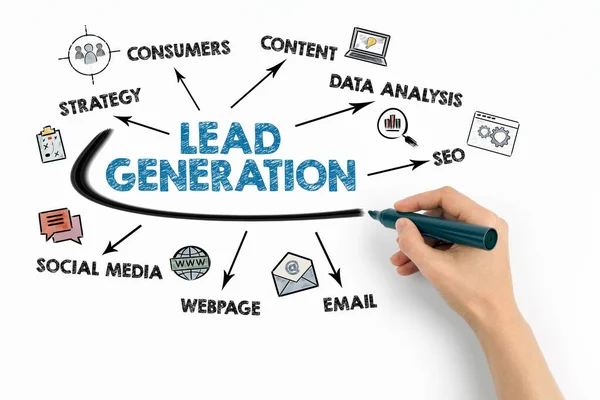
1. Definition and Purpose of Lead Generation
Lead generation is the process of identifying, attracting, and engaging potential customers (or leads) for your business’s products or services. The goal of lead generation is to convert these prospects into loyal customers by nurturing them through the sales process. This process involves various marketing strategies designed to capture the interest of potential buyers, gather their contact information, and build relationships with them over time.
The purpose of lead generation is multifaceted. Primarily, it aims to fill your sales funnel with qualified leads—individuals or businesses that have a genuine interest in what you offer and are likely to make a purchase. Lead generation also serves to increase brand awareness, educate potential customers about your products or services, and position your business as a trusted authority in your industry.
2. Different Types of Leads: Cold, Warm, and Hot
Understanding the different types of leads is crucial for effectively managing and converting them:
- Cold Leads:
Cold leads are individuals or businesses who have shown little to no interest in your products or services. They may be aware of your brand but have not yet engaged with it meaningfully. Cold leads typically require more effort and time to nurture, as they are not actively seeking your offerings and may need more information or persuasion to move forward in the sales process. - Warm Leads:
Warm leads are prospects who have shown some level of interest in your business. They might have interacted with your content, visited your website, signed up for a newsletter, or engaged with your brand on social media. Warm leads are more receptive to your marketing efforts and are closer to making a purchasing decision than cold leads. Nurturing warm leads involves providing them with additional information, answering their questions, and addressing any concerns they may have. - Hot Leads:
Hot leads are prospects who have demonstrated a strong interest in your products or services and are ready to make a purchase. They have likely engaged with your sales team, requested a demo, or expressed a specific need that your offering can fulfill. Hot leads require prompt and focused attention to convert them into customers, as they are in the final stages of the buying decision.
3. The Role of Lead Generation in the Sales Funnel
The sales funnel represents the journey that potential customers take from the initial awareness of your brand to the final purchase decision. Lead generation plays a critical role in this process by feeding the top of the funnel with potential customers and guiding them through each stage until they are ready to buy.
- Top of the Funnel (Awareness):
At this stage, lead generation efforts focus on attracting the attention of a broad audience. Strategies such as content marketing, social media outreach, search engine optimization (SEO), and paid advertising are used to create awareness of your brand and capture the interest of potential leads. The goal is to generate as many leads as possible and begin qualifying them based on their level of interest. - Middle of the Funnel (Consideration):
In the consideration stage, lead generation efforts become more targeted. The focus shifts to nurturing leads by providing them with valuable information and addressing their specific needs. This is where lead nurturing techniques such as email marketing, personalized content, and retargeting come into play. The objective is to build trust and guide leads toward a purchasing decision. - Bottom of the Funnel (Decision):
At the bottom of the funnel, lead generation activities aim to convert warm and hot leads into paying customers. Sales teams engage directly with leads, offering product demonstrations, free trials, or special offers to encourage them to make a purchase. This stage requires a high level of personalization and responsiveness to close the deal.
The Importance of Quality Leads
1. How Quality Leads Differ from Quantity
When it comes to lead generation, the distinction between quality and quantity is crucial. Quantity refers to the sheer number of leads generated, while quality focuses on the relevance and likelihood of those leads converting into customers. While having a large number of leads might seem advantageous, it doesn’t necessarily translate into higher sales. A high quantity of low-quality leads can overwhelm your sales team, waste resources, and result in lower conversion rates.
Quality leads, on the other hand, are those that closely match your ideal customer profile. These leads have a genuine interest in your product or service, a clear need that your offering can fulfill, and the authority and budget to make a purchasing decision. Focusing on quality leads allows your sales team to concentrate their efforts on prospects who are more likely to convert, resulting in higher efficiency, better customer relationships, and ultimately, increased sales.
2. The Impact of Targeting the Right Audience
Targeting the right audience is a critical factor in generating quality leads. When you focus on the right audience—those who are most likely to benefit from your product or service—you not only attract leads who are more inclined to convert, but you also reduce the cost and effort associated with pursuing less relevant prospects.
By understanding your target audience’s demographics, behavior, pain points, and preferences, you can tailor your marketing messages and offers to resonate with them more effectively. This precision targeting ensures that your lead generation efforts are not just about filling the funnel with names, but about attracting individuals and businesses who are genuinely interested in what you offer.
3. Strategies for Attracting High-Quality Leads
To attract high-quality leads, businesses need to implement targeted strategies that align with their ideal customer profile. Here are a few key strategies:
- Define and Understand Your Ideal Customer Profile (ICP):
Start by clearly defining your ICP based on factors such as industry, company size, job role, location, and specific pain points. Understanding who your ideal customers are allows you to create marketing campaigns that speak directly to their needs and interests. - Use Data-Driven Insights:
Leverage data analytics to identify patterns and behaviors of your best customers. Use this information to refine your targeting efforts and focus on attracting similar prospects who are more likely to convert. - Personalized Marketing:
Personalization is key to attracting quality leads. Tailor your content, offers, and communication to address the specific needs and challenges of your target audience. Personalized marketing creates a stronger connection with prospects, increasing their likelihood of becoming quality leads.
Effective Lead Generation Strategies
1. Content Marketing: Creating Value-Driven Content to Attract Leads
Content marketing is a powerful strategy for attracting high-quality leads by providing valuable, relevant, and consistent content that resonates with your target audience. By addressing the needs, challenges, and interests of your potential customers, you can position your business as a trusted authority in your industry.
- Blog Posts and Articles:
Write insightful blog posts and articles that offer solutions to common problems faced by your target audience. This not only attracts prospects but also encourages them to engage with your brand. - E-books and Whitepapers:
Create in-depth resources like e-books and whitepapers that provide valuable information on industry trends, best practices, or detailed guides. These resources can be gated, requiring users to provide their contact information to access them, thus generating high-quality leads. - Webinars and Videos:
Host webinars or create video content that educates and informs your audience on relevant topics. These formats are highly engaging and can attract leads who are genuinely interested in your offerings.
2. Social Media Marketing: Leveraging Platforms to Reach Potential Customers
Social media platforms are excellent tools for reaching and engaging with your target audience. By leveraging the right platforms, businesses can build brand awareness, generate leads, and foster relationships with potential customers.
- Targeted Ads:
Use paid social media ads to target specific demographics, interests, and behaviors that align with your ideal customer profile. Social media platforms like Facebook, LinkedIn, and Instagram offer robust targeting options to ensure your ads reach the right audience. - Content Sharing:
Regularly share valuable content on your social media channels to engage with your audience. This includes blog posts, infographics, videos, and other types of content that provide value to your followers. - Social Listening:
Monitor social media conversations to identify potential leads and engage with them directly. By responding to questions, offering solutions, or simply participating in discussions, you can build relationships with prospects and attract them to your brand.
3. Email Marketing: Nurturing Leads Through Targeted Email Campaigns
Email marketing remains one of the most effective ways to nurture leads by delivering personalized, relevant content directly to their inbox. Through targeted email campaigns, businesses can build relationships with prospects and guide them through the sales funnel.
- Segmentation:
Segment your email list based on factors like demographics, behavior, and stage in the buyer’s journey. This allows you to send more personalized and relevant emails that resonate with each segment. - Lead Nurturing Campaigns:
Develop automated email sequences designed to nurture leads over time. These campaigns should provide value at each stage, from awareness to consideration to decision, gradually moving leads closer to making a purchase. - Personalization:
Use personalization techniques such as including the recipient’s name, referencing their past interactions with your brand, or offering tailored recommendations to increase engagement and conversion rates.
4. SEO and PPC: Driving Traffic to Your Site Through Organic and Paid Search
Search Engine Optimization (SEO) and Pay-Per-Click (PPC) advertising are essential strategies for driving targeted traffic to your website, where visitors can be converted into leads.
- SEO:
Optimize your website and content for search engines to attract organic traffic from users who are actively searching for solutions related to your products or services. Focus on keywords that align with your target audience’s search intent, and ensure your site provides a great user experience. - PPC:
Use PPC advertising, such as Google Ads, to target specific keywords and demographics. PPC allows you to quickly generate traffic from high-intent searches, making it an effective way to attract quality leads who are ready to take action. - Landing Pages:
Create optimized landing pages that are specifically designed to convert visitors into leads. These pages should have clear calls-to-action (CTAs), compelling content, and forms to capture lead information.
Lead Nurturing: Turning Prospects into Customers
Lead nurturing is a crucial aspect of the sales process, focusing on developing and maintaining relationships with prospects over time. It’s about guiding potential customers through their buyer’s journey, from the initial interaction to the final purchase decision. Here’s how personalized follow-ups, consistent communication, and tailored offers play a key role in converting leads into customers.
1. The Importance of Personalized Follow-Ups
Personalized follow-ups are a vital component of effective lead nurturing. In today’s digital age, where consumers are inundated with generic marketing messages, personalization stands out as a key differentiator. Personalized follow-ups involve tailoring your communication to address the specific needs, behaviors, and preferences of each lead.
- Why Personalization Matters:
Personalization shows that you understand the unique challenges and interests of your prospects. This builds trust and makes them feel valued, which is essential for maintaining engagement and moving them further down the sales funnel. Personalized follow-ups can include referencing previous interactions, addressing specific pain points, or providing relevant content that aligns with the lead’s interests. - Impact on Conversion Rates:
Leads who receive personalized follow-ups are more likely to convert into customers because the communication resonates with them on a deeper level. They see that your business is attentive to their needs, which increases their confidence in your product or service as the right solution for them.
2. Building Relationships Through Consistent Communication
Consistent communication is key to building strong relationships with your leads. It’s not enough to reach out once and hope for a conversion. Instead, businesses need to engage with prospects regularly, providing value at every touchpoint.
- Establishing Trust and Credibility:
Regular communication helps establish your brand as a reliable and knowledgeable partner. By consistently delivering valuable content, answering questions, and addressing concerns, you reinforce your expertise and build trust with your leads. This trust is essential for converting prospects into customers, as people are more likely to buy from brands they feel confident in. - Keeping Leads Engaged:
Consistent communication ensures that your brand stays top-of-mind for your prospects. This is particularly important in longer sales cycles, where leads may need time to make a decision. Regular touchpoints, such as emails, newsletters, social media updates, and phone calls, help maintain engagement and prevent leads from losing interest or turning to competitors. - Using Multiple Channels:
Effective lead nurturing involves engaging with prospects across multiple channels. This could include email, social media, direct mail, or even phone calls, depending on the lead’s preferences and behavior. By diversifying your communication channels, you increase the chances of reaching your leads at the right time with the right message.
3. Converting Leads with Tailored Offers and Solutions
Tailored offers and solutions are the final piece of the lead nurturing puzzle. As leads progress through the sales funnel, their needs become more specific, and your offers should reflect that.
- Understanding Lead Needs:
By closely monitoring lead behavior and interactions, you can gain insights into what they’re looking for. This could involve analyzing which content they’ve engaged with, what products they’ve shown interest in, or what questions they’ve asked. This information allows you to craft offers that directly address their needs. - Creating Targeted Offers:
Tailored offers could include personalized product recommendations, special discounts, free trials, or bundled solutions that meet the lead’s specific requirements. For example, if a lead has been exploring a particular product on your website, sending them a discount code or an exclusive offer for that product can encourage them to make a purchase. - Providing Customized Solutions:
In B2B sales, leads often have unique challenges that require customized solutions. By offering tailored proposals that align with their business objectives, you can position your product or service as the ideal choice. This approach demonstrates that you’re not just selling a product but offering a solution that solves their specific problems. - Follow-Up Offers:
Even after a lead has made an initial purchase, the nurturing process doesn’t end. Continue to provide tailored follow-up offers, such as complementary products or services, to increase customer lifetime value and encourage repeat business.
Measuring and Optimizing Lead Generation Efforts
1. Tools and Technologies to Enhance Lead Generation
To effectively measure and optimize lead generation efforts, businesses can leverage a variety of tools and technologies that streamline processes, provide valuable insights, and enhance the overall efficiency of lead generation campaigns.
- Customer Relationship Management (CRM) Systems:
CRMs like Salesforce, HubSpot, and Zoho CRM help businesses manage and track interactions with leads throughout the sales funnel. They allow you to store detailed information about each lead, track their engagement, and analyze their journey from prospect to customer. This data is crucial for understanding which strategies are working and where improvements are needed. - Marketing Automation Platforms:
Tools such as Marketo, Pardot, and ActiveCampaign automate various aspects of lead generation, including email marketing, lead scoring, and segmentation. These platforms enable businesses to create personalized campaigns at scale, nurture leads more effectively, and ensure that no lead falls through the cracks. - Analytics and Reporting Tools:
Google Analytics, HubSpot Analytics, and other reporting tools provide insights into website traffic, lead behavior, and campaign performance. These tools help you understand where your leads are coming from, which channels are most effective, and how leads are interacting with your content. - Lead Scoring Tools:
Lead scoring software, often integrated within CRMs or marketing automation platforms, assigns a score to each lead based on their behavior, engagement, and demographic information. This scoring helps prioritize leads, ensuring that your sales team focuses on those with the highest likelihood of conversion. - Conversion Rate Optimization (CRO) Tools:
Tools like Optimizely, Unbounce, and Crazy Egg assist in testing and optimizing landing pages, forms, and other lead capture elements. By experimenting with different designs, copy, and calls to action, businesses can improve conversion rates and generate more high-quality leads.
2. Continuous Improvement: Analyzing Data and Refining Strategies
Continuous improvement is key to maintaining the effectiveness of your lead generation efforts. This involves regularly analyzing data, measuring performance, and refining strategies to ensure optimal results.
- Data Analysis:
Regularly review the performance metrics of your lead generation campaigns, such as lead conversion rates, cost per lead, and return on investment (ROI). By analyzing this data, you can identify trends, uncover areas of weakness, and understand which strategies are delivering the best results. - A/B Testing:
A/B testing is a powerful method for optimizing various aspects of your lead generation efforts, from email subject lines to landing page layouts. By testing different variations and analyzing the outcomes, you can refine your strategies to maximize effectiveness. - Feedback Loops:
Create feedback loops between your marketing and sales teams to ensure that the leads being generated are of high quality and relevant to the sales process. Sales teams can provide valuable insights into the types of leads that convert best, allowing marketing to adjust their targeting and messaging accordingly. - Strategy Refinement:
Based on data analysis and feedback, continuously refine your lead generation strategies. This could involve adjusting your targeting criteria, exploring new channels, or optimizing content to better align with your audience’s needs. Continuous refinement ensures that your lead-generation efforts remain effective and relevant in a changing market.
The Long-Term Impact of Strong Lead Generation
1. How Consistent Lead Generation Fuels Business Growth
Consistent lead generation is a driving force behind sustainable business growth. By continually attracting and converting new leads, businesses can expand their customer base, increase revenue, and achieve long-term success.
- Steady Revenue Stream:
A consistent influx of high-quality leads ensures a steady stream of potential customers entering the sales funnel. This consistency helps maintain a regular flow of sales, reducing the risk of revenue fluctuations and enabling more accurate financial forecasting. - Scalability:
As your business grows, so does the need for a scalable lead generation strategy. Consistent lead generation allows you to scale your marketing and sales efforts, reaching a larger audience and increasing your market share over time.
2. Building a Sustainable Sales Funnel
A sustainable sales funnel is one that continually attracts, nurtures, and converts leads without exhausting resources or losing momentum. Strong lead generation efforts are essential to building and maintaining such a funnel.
- Top-of-Funnel Activity:
Strong lead generation efforts ensure a constant flow of new prospects at the top of the funnel. This prevents the funnel from drying up and keeps the sales process active and robust. - Mid-Funnel Nurturing:
Consistent lead generation also supports mid-funnel activities, such as lead nurturing and relationship building. With a steady stream of leads entering the funnel, businesses can maintain ongoing engagement and build stronger relationships with prospects over time. - Bottom-of-Funnel Conversions:
A sustainable funnel ultimately leads to higher conversion rates at the bottom. By consistently feeding the funnel with qualified leads and nurturing them effectively, businesses can increase the number of prospects who reach the final purchasing stage.
3. The Role of Lead Generation in Brand Reputation and Customer Loyalty
Lead generation doesn’t just drive sales; it also plays a crucial role in shaping your brand’s reputation and fostering customer loyalty.
- Brand Reputation:
Effective lead generation involves delivering value to your audience through educational content, personalized offers, and consistent communication. By consistently providing value, your brand earns a reputation for being helpful, trustworthy, and customer-focused. This positive reputation attracts more leads and encourages prospects to choose your brand over competitors. - Customer Loyalty:
The lead nurturing process often extends beyond the initial sale, with businesses continuing to engage with customers through personalized offers and ongoing support. This ongoing relationship-building fosters customer loyalty, leading to repeat business and long-term customer relationships. - Word-of-Mouth and Referrals:
Happy, loyal customers are more likely to recommend your brand to others, generating new leads through word-of-mouth and referrals. This creates a virtuous cycle, where strong lead generation efforts not only drive direct sales but also contribute to organic growth through customer advocacy.
Boost Sales with Lead Generation: Wrapping Up
Lead generation is the lifeblood of any successful sales strategy. It’s more than just attracting a large number of prospects; it’s about identifying and nurturing high-quality leads that are likely to convert into loyal customers. By understanding the nuances of lead generation—from defining and targeting your ideal audience to nurturing relationships and optimizing strategies—you can create a robust pipeline that consistently fuels business growth.
Focusing on quality leads ensures that your sales team spends time on prospects who are genuinely interested in your offerings, leading to higher conversion rates and better ROI. Leveraging tools and technologies, refining strategies based on data, and continuously improving your approach are essential for maintaining the effectiveness of your lead generation efforts.
In the long run, strong lead generation does more than just drive sales; it builds a sustainable sales funnel, enhances your brand’s reputation, and fosters customer loyalty. By consistently generating and nurturing leads, you position your business for steady growth, increased revenue, and long-term success.
Lead generation isn’t just a one-time effort; it’s an ongoing process that, when done right, becomes a powerful engine driving your business forward.