

In today’s highly competitive business landscape, success is not solely dependent on the quality of your products or services. It’s about building and maintaining strong relationships with your customers.
As a founder, you must understand and harness the power of these customer relationships to drive increased sales and engagement.
At the core of any successful business lies a deep commitment to putting customers first. By prioritizing your customers’ needs, desires, and satisfaction, you can create a recipe for increased sales and engagement.
The Importance of Customer Connection
Loyal customers not only contribute to your bottom line but also act as brand ambassadors, spreading positive word-of-mouth and attracting new business.
By investing in building strong relationships, you can foster customer loyalty, leading to repeat purchases and long-term engagement.
By leveraging customer data and implementing personalized marketing campaigns, you can create a unique and memorable experience for each customer, fostering a sense of loyalty and trust.
Furthermore, effective communication plays a pivotal role in building and maintaining customer relationships.
The Role of Customer Connection in Sales and Engagement

In today’s highly competitive business landscape, putting customers first is no longer just a buzzword; it has become a recipe for increased sales and engagement.
As founders, understanding the role of customer connection in driving business growth is essential for success.
Building a strong customer connection goes beyond providing excellent products or services. It involves understanding your customers’ needs, preferences, and pain points.
By actively listening and empathizing with your customers, you can tailor your offerings to meet their specific requirements.
This personalized approach not only increases customer satisfaction but also enhances their overall experience with your brand.
When customers feel valued and understood, they are more likely to become loyal advocates for your business. They become your brand ambassadors, recommending your products or services to their friends, family, and colleagues.
This word-of-mouth marketing is incredibly powerful and can significantly boost your sales and engagement levels.
- By prioritizing customer connection, you create a loyal customer base that actively contributes to your business’s growth.
- Customer connection plays a vital role in driving engagement. Engaged customers are more likely to interact with your brand, provide feedback, and participate in your community.
- By fostering a sense of connection, you create an environment where customers feel comfortable sharing their thoughts and ideas.
This feedback can be invaluable in improving your offerings and staying ahead of the competition.
Engaged customers also tend to spend more time on your platforms, increasing their exposure to your products or services and ultimately leading to higher sales.
To establish a strong customer connection, it is essential to adopt a customer-centric mindset throughout your organization.
This involves training your team to prioritize customer needs, ensuring that every customer touchpoint is a positive experience.
By implementing customer-centric practices at every level, you create a culture that values customer connection and actively seeks ways to improve it.
Identifying Your Target Customers

In today’s competitive business landscape, understanding and connecting with your target customers is more critical than ever.
As a founder, it is essential to put customers first to drive increased sales and engagement.
Understanding your target customers begins with conducting market research.
- This involves gathering information about your potential customers’ demographics, preferences, behaviors, and needs.
- By analyzing this data, you can create buyer personas that represent different segments of your target audience.
These personas will help you gain insights into what motivates your customers, how they make purchasing decisions, and where you can find them.
Once you have a clear understanding of your target customers, it is crucial to tailor your products or services to meet their specific needs.
By aligning your offerings with their preferences, you can increase the chances of attracting and retaining loyal customers. This may involve refining your existing products, developing new features, or even creating entirely new products that cater to their unique requirements.
Utilize social media platforms, email marketing, and content creation to engage with your target audience and build meaningful relationships.
Developing a Customer-Centric Culture

In today’s highly competitive business landscape, putting customers first has become more important than ever before.
Founders who prioritize building a customer-centric culture are not only ensuring the success of their businesses but also fostering long-term relationships with their customers.
we will delve into the essential steps founders need to take to develop a customer-centric culture that leads to increased sales and engagement.
1. Understanding the Importance of Customer-Centricity
Founders must recognize that customers are the lifeblood of their businesses. By adopting a customer-centric mindset, they can align their entire organization toward meeting customer needs and expectations. This involves actively listening to customer feedback, understanding their pain points, and constantly improving products or services to exceed their expectations.
2. Leadership’s Role in Setting the Tone
Creating a customer-centric culture starts at the top. Founders must lead by example and consistently emphasize the importance of customer satisfaction to their teams. By regularly communicating the vision and values of the company, founders can inspire their employees to prioritize customer needs and tailor their efforts toward providing exceptional customer experiences.
3. Empowering Employees
To create a customer-centric culture, founders should empower their employees to take ownership of customer relationships. This can be achieved by fostering an environment of trust, providing continuous training and development opportunities, and encouraging employees to proactively solve customer problems. When employees feel valued and empowered, they are more likely to go above and beyond to ensure customer satisfaction.
4. Implementing Customer Feedback Mechanisms
Founders should establish efficient feedback mechanisms to capture customer insights. This can include conducting surveys, hosting focus groups, and actively monitoring social media platforms for customer sentiments. By regularly seeking and acting upon customer feedback, founders can make informed decisions that align with customer needs and preferences.
5. Recognizing and Rewarding Customer-Centric Behavior
Founders should establish a system to recognize and reward employees who consistently demonstrate customer-centric behavior.
This can range from monetary incentives to public recognition. By acknowledging and celebrating exceptional customer service, founders can reinforce the importance of putting customers first and motivate employees to consistently exceed customer expectations.
By developing a customer-centric culture, founders can create a competitive advantage for their businesses.
Putting customers first not only leads to increased sales and engagement but also fosters customer loyalty and advocacy.
Setting Clear Customer Connection Goals

In today’s competitive market, putting customers first is not just a nice-to-have strategy; it is a recipe for increased sales and engagement.
To achieve this, it is essential to set clear customer connection goals that align with your business objectives.
The first step in setting clear customer connection goals is to define what success looks like for your business. Consider the specific outcomes you want to achieve through customer connection, such as increased sales, improved customer loyalty, or higher customer satisfaction ratings. By clearly defining these goals, you can focus your efforts in the right direction.
Once you have established your desired outcomes, it is crucial to identify the key metrics that will help you measure your progress. These metrics could include customer retention rates, repeat purchase frequency, or Net Promoter Scores.
By regularly tracking these metrics, you can assess the effectiveness of your customer connection efforts and make necessary adjustments along the way.
Another important aspect of setting clear customer connection goals is understanding your target audience. Take the time to research and analyze your customers’ needs, preferences, and pain points. This knowledge will enable you to tailor your customer connection strategies and initiatives to better address their specific requirements.
Communicate your customer

It is essential to communicate your customer connection goals across your organization. Ensure that every team member, from marketing to sales to customer support, understands and aligns with these goals.
This shared understanding will foster a customer-centric mindset throughout your business and drive consistent efforts toward building strong customer connections.
To achieve your customer connection goals, it is important to invest in the right tools and technologies.
Customer relationship management (CRM) software, social media monitoring tools, and customer feedback systems can help you gather valuable insights and streamline your customer connection efforts.
Leverage these tools to collect and analyze data, track customer interactions, and personalize your communication with customers.
Building Trust and Rapport with Customers
Listening and Understanding Customer Needs
One key aspect of listening to customer needs is adopting a customer-centric mindset. This means shifting your focus from pushing your agenda to genuinely caring about your customers’ problems and finding ways to solve them.
By putting customers first, you build trust and loyalty, creating a strong bond that translates into increased sales and engagement.
Another vital tool for understanding customer needs is data analysis. By leveraging customer data, founders can gain valuable insights into their behavior, preferences, and purchasing patterns.
This data-driven approach enables you to personalize your offerings, tailor your marketing strategies, and deliver a seamless customer experience. By utilizing advanced analytics tools, you can identify trends, spot opportunities, and make informed business decisions that align with your customer’s expectations.
Listening and understanding customer needs goes beyond just gathering information; it also involves empathy.
By putting yourself in your customers’ shoes, you can better understand their challenges, frustrations, and desires. This empathy allows you to develop innovative solutions that address their needs effectively.
Communicating Effectively with Customers
- First and foremost, it is essential to understand the importance of active listening.
- Your customers want to feel heard and understood.
- By actively listening to their needs, concerns, and feedback, you can tailor your products or services to better meet their expectations.
- This will not only build trust but also foster long-term customer loyalty.
- Another crucial aspect of effective communication with customers is clarity.
- Ensure that your messages are concise, easy to understand, and free from any ambiguity.
- Use simple language, avoid jargon, and focus on delivering your message in a way that resonates with your target audience.
- Effective communication is about conveying information in a manner that is easily digestible and relatable.
- Embracing multiple communication channels is vital in today’s digital age.
- Customers have diverse preferences when it comes to communication, whether it be through email, social media, or phone calls.
- By offering a variety of channels, you allow your customers to engage with your brand in a way that is most convenient for them.
- Personalization is another key element in effective customer communication. Utilize data and analytics to gain insights into your customers’ preferences, behaviors, and purchase history.
- By tailoring your communication to their specific needs and interests, you can create a personalized experience that makes them feel valued and understood.
- Always strive for prompt and efficient responses to customer inquiries or concerns. In today’s fast-paced world, customers expect quick resolutions to their problems.
- Implementing a robust customer support system ensures that your customers receive the assistance they need promptly, thus strengthening the bond between your brand and your customers.
Creating Personalized Customer Experiences
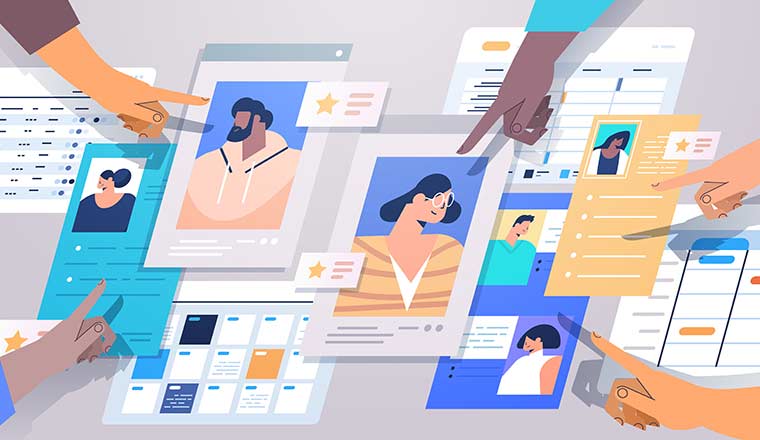
The modern customer expects personalized interactions and tailored experiences. They want to feel understood, valued and appreciated. By offering personalized customer experiences, you can build trust, and loyalty, and ultimately increase sales and engagement.
So, how can you create personalized customer experiences?
It starts with understanding your customers on a deeper level. Conduct market research, surveys, and customer interviews to gather insights about their preferences, pain points, and expectations. Utilize this information to segment your customer base and develop targeted marketing strategies.
Personalization also involves leveraging technology and data to deliver tailored experiences. Implement customer relationship management (CRM) systems to collect, analyze, and utilize customer data effectively.
By identifying patterns and behaviors, you can anticipate customer needs and offer relevant products or services at the right time.
Another effective way to personalize customer experiences is by providing exceptional customer service. Train your team to be empathetic, attentive, and responsive.
Encourage them to go the extra mile to exceed customer expectations.
Consider implementing loyalty programs and rewards to create a sense of exclusivity and appreciation. Offer personalized discounts, recommendations, or special offers based on customer preferences and past purchases.
This not only encourages repeat business but also shows customers that you value their loyalty.
Regularly seek feedback from your customers.
Actively listen to their suggestions, complaints, and compliments. Use this feedback to continuously improve your products, services, and customer experiences.
By involving customers in the decision-making process, you make them feel valued and create an emotional connection with your brand.
Implementing Customer Relationship Management (CRM) Systems

In today’s competitive business landscape, putting customers first is no longer just a catchy slogan; it is a recipe for increased sales and engagement.
As founders, you understand the importance of building strong relationships with your customers to drive business growth.
One of the most effective ways to achieve this is by implementing Customer Relationship Management (CRM) systems.
A CRM system is a powerful tool that enables companies to streamline their customer interactions, enhance customer satisfaction, and ultimately boost sales.
By centralizing customer data, a CRM system provides a holistic view of each customer’s journey, allowing you to tailor your marketing, sales, and support efforts to their specific needs and preferences.
So, how can you successfully implement a CRM system in your organization? Here are some key steps to consider:
1. Define your objectives
Identify what you want to achieve with a CRM system. Whether it is to improve customer retention rates, increase cross-selling opportunities, or enhance customer service, having well-defined goals will guide your implementation process.
2. Choose the right CRM solution
There are numerous CRM systems available in the market, each offering a range of features and functionalities. Take the time to evaluate different options and select the one that aligns with your business needs and budget.
3. Get buy-in from your team
Introducing a CRM system requires a cultural shift within your organization. Ensure that your team understands the benefits of the system and the value it brings to their day-to-day activities. Encourage their active participation and address any concerns they may have.
4. Align processes and data
Before implementing a CRM system, it is crucial to map out your existing processes and data flows. Identify areas of improvement and streamline them to align with the capabilities of the CRM system. Cleanse and consolidate your data to ensure accuracy and completeness.
5. Train and empower your team
Provide comprehensive training to your employees on how to effectively use the CRM system. Empower them to leverage its features to better serve customers and make informed business decisions.
6. Monitor and optimize
Implementing a CRM system is not a one-time task; it is an ongoing process. Continuously monitor its performance, gather feedback from your team and customers, and make necessary adjustments to optimize its usage and maximize its benefits.
By implementing a CRM system, you can transform your organization into a customer-centric powerhouse.
It will enable you to deepen customer relationships, drive customer loyalty, and ultimately increase sales and engagement. Embrace the power of CRM, and watch your business thrive in the competitive marketplace.
Using Data Analytics for Customer Insights

In today’s digital age, data analytics has become an indispensable tool for businesses to gain valuable insights into their customers.
By harnessing the power of data, founders can make informed decisions that will ultimately lead to increased sales and engagement. This blog explores the various ways in which data analytics can be leveraged to put customers first and drive business success.
Understanding customer behavior is key to delivering a personalized and seamless experience. By utilizing data analytics, founders can analyze customer data to uncover trends, patterns, and preferences. This information can then be used to tailor marketing campaigns, product offerings, and customer service strategies.
For example, by analyzing purchasing history and browsing behavior, founders can segment their customer base and create targeted marketing campaigns that resonate with specific customer groups.
Furthermore, data analytics can help identify customer pain points and areas for improvement. By analyzing customer feedback, reviews, and support interactions, founders can gain insights into common issues faced by customers. Armed with this information, founders can proactively address these pain points and enhance the overall customer experience.
Data analytics also plays a crucial role in measuring and tracking customer satisfaction and engagement. By monitoring key performance indicators such as customer retention rates, average order value, and customer lifetime value, founders can assess the effectiveness of their strategies and identify areas that require attention.
This data-driven approach allows founders to make data-backed decisions and continuously optimize their sales and engagement efforts.
Implementing data analytics requires the right tools and expertise. Founders should invest in robust analytics platforms that can handle large volumes of data and provide real-time insights. Additionally, hiring or partnering with data scientists or analysts can help founders make sense of the data and extract valuable insights that drive business growth.
Embracing Social Media for Enhanced Engagement
In today’s digital era, social media has become an indispensable tool for businesses to connect and engage with their customers. As a founder, understanding the power of social media and leveraging it effectively can be the key to unlocking increased sales and engagement.
We will explore the various ways in which you can embrace social media to foster deeper customer connections and ultimately boost your business’s success.
1. Building an Online Presence
- Social media platforms provide an excellent opportunity to establish and strengthen your brand’s online presence.
- By creating profiles on platforms such as Facebook, Instagram, Twitter, and LinkedIn, you can showcase your products or services, connect with your target audience, and engage in meaningful conversations.
- Remember to maintain a consistent brand voice and visual identity across all platforms to ensure brand recognition and loyalty.
2. Listening to Your Customers
Social media is not just a platform for broadcasting your message; it is also a space where customers voice their opinions, concerns, and feedback.
By actively monitoring and listening to what your customers are saying, you can gain valuable insights into their needs and preferences.
Responding promptly and empathetically to their queries or complaints shows that you prioritize their satisfaction, leading to increased loyalty and positive word-of-mouth.
3. Creating Engaging Content
To capture the attention of your target audience, it is crucial to create compelling and shareable content. Experiment with different formats such as videos, infographics, and blog posts to keep your social media feeds interesting and diverse. By providing valuable and relevant content, you position your business as an industry expert, fostering trust and credibility among your customers.
4. Encouraging User-generated Content
Harness the power of user-generated content (UGC) to further enhance engagement. Encourage your customers to share their experiences, reviews, and photos related to your products or services.
This not only generates authentic content but also promotes a sense of community among your customers. Showcasing UGC on your social media platforms helps build trust and social proof, attracting new customers and strengthening existing relationships.
5. Leveraging Influencer Marketing
Influencers have become an integral part of social media marketing. Collaborating with relevant influencers who align with your brand values and target audience can significantly amplify your reach and engagement. By leveraging their influence, you can tap into their loyal follower base and gain exposure to new potential customers.
Embracing social media as a founder means recognizing its potential to revolutionize your business’s sales and engagement.
By building an online presence, listening to customers, creating engaging content, encouraging user-generated content, and leveraging influencer marketing, you can harness the immense power of social media to connect with your audience, drive sales, and foster long-term customer loyalty.
Empowering and Engaging Your Team
In today’s competitive business landscape, customer connection is vital for any organization’s success. As a founder, you understand the importance of putting customers first and creating a culture that fosters strong relationships with them. One key aspect of achieving this goal is to train and empower your employees to connect with customers effectively.
Why is training important?
Training your employees to connect with customers is crucial for several reasons. Firstly, it helps them develop the necessary skills to understand and meet customer needs.
By providing them with comprehensive product knowledge, customer service techniques, and problem-solving abilities, you equip your team to handle various situations and deliver exceptional service.
Secondly, training enhances employee confidence and motivation. When your staff members feel competent and knowledgeable, they are more likely to engage with customers proactively and go the extra mile.
This confidence emanates into positive customer interactions, leaving a lasting impression and fostering loyalty.
Empowering your employees
Training alone is not sufficient; empowering your employees is equally important. Empowerment involves giving your team the autonomy and authority to make decisions and take actions that benefit customers. When employees feel trusted and valued, they are more likely to take ownership of customer relationships and make independent decisions that lead to positive outcomes.
To empower your employees, create a supportive environment that encourages innovation and initiative. Foster open communication channels, where employees feel comfortable sharing ideas and concerns. Recognize and reward outstanding customer service, both publicly and privately, to reinforce the importance of customer connection.
The benefits of training and empowering employees
When you prioritize training and empowering your employees to connect with customers, you unlock numerous benefits for your organization.
- Firstly, you create a customer-centric culture that permeates throughout the company, resulting in increased sales and engagement. Customers recognize and appreciate the exceptional service they receive, leading to repeat business and positive word-of-mouth.
- Secondly, by empowering your employees, you cultivate a motivated and engaged workforce. Empowered employees are more likely to remain loyal and committed to your organization, reducing turnover and associated costs.
They become brand ambassadors, promoting your company’s values and mission to customers, further strengthening the customer connection.
Nurturing Long-Term Customer Relationships
One proven strategy that can significantly contribute to the success of a business is building strong customer loyalty programs.
These programs not only ensure repeat purchases but also foster long-term connections with customers, leading to increased sales and engagement.
The foundation of any successful loyalty program lies in putting customers first. By understanding their needs, preferences, and pain points, founders can create a program that resonates with their target audience.
This involves conducting thorough market research, engaging in customer surveys, and analyzing customer data to gather valuable insights. With this information, founders can tailor their loyalty programs to meet the specific needs of their customers.
A crucial aspect of building a robust customer loyalty program is offering rewards that are enticing and valuable to customers. These rewards can come in various forms, such as discounts, exclusive access to new products or services, personalized offers, or even VIP events.
The key is to ensure that the rewards align with the interests and desires of the target audience. By offering desirable rewards, founders can incentivize customers to engage with their brand and remain loyal.
To maximize the effectiveness of a loyalty program, founders should also focus on creating a seamless and user-friendly experience for their customers.
Regularly updating customers on new rewards, exclusive offers, or upcoming events through various channels like email newsletters, social media, or SMS marketing can help keep the brand top-of-mind. Additionally, seeking feedback from customers and implementing their suggestions can make them feel valued and appreciated, further strengthening their loyalty.
Proactive Customer Retention Strategies
In today’s highly competitive business landscape, customer retention has become more crucial than ever. As a founder, your top priority should be to build a strong and loyal customer base.
Retaining existing customers not only ensures a stable revenue stream but also helps in promoting brand advocacy and fostering long-term business growth.
To achieve this, it is essential to adopt proactive customer retention strategies that go above and beyond basic customer service.
One of the most effective proactive strategies for customer retention is personalized communication.
Treat your customers as individuals and make them feel valued by understanding their unique needs and preferences. Utilize customer relationship management (CRM) tools to gather and analyze customer data, allowing you to tailor your communications and offers accordingly.
Regularly send personalized emails, including special discounts or offers based on their previous purchases or interests. By doing so, you demonstrate that you genuinely care about their satisfaction and are committed to meeting their specific requirements.
Another proactive approach to customer retention is to offer exceptional customer experiences. This can be achieved through various means, such as providing prompt and efficient customer support, ensuring a seamless online purchasing process, or offering personalized recommendations based on browsing history.
Continuously seek feedback from your customers and use it to improve your products or services. Actively engage with customers through social media platforms and promptly respond to their queries or concerns.
By consistently delivering outstanding experiences, you establish a strong emotional connection with your customers, making it less likely for them to switch to a competitor.
Implementing a customer loyalty program is yet another effective strategy for proactive customer retention.
Reward your customers for their continued support and loyalty by offering exclusive benefits, such as discounts, early access to new products, or VIP events. This not only incentivizes repeat purchases but also makes customers feel appreciated and valued.
Regularly communicate the benefits of your loyalty program to your customers, ensuring they are aware of the value they receive by staying with your brand.
Dealing with Difficult Customers
Founders are often faced with the challenge of dealing with difficult customers. These customers may be demanding, unreasonable, or unhappy with the product or service provided.
However, founders must handle these situations with professionalism and ensure that the customer’s needs are met.
1. Active Listening
The first step in dealing with difficult customers is to actively listen to their concerns. Give them your undivided attention, empathize with their frustrations, and let them know that their feedback is important to you. This shows that you genuinely care about their experience and are committed to finding a solution.
2. Stay Calm and Composed
It is essential to remain calm and composed when faced with difficult customers. Avoid getting defensive or argumentative, as this can escalate the situation further. Instead, take a deep breath, maintain a positive attitude, and focus on finding a resolution.
3. Empower Your Team
As a founder, empower your team to handle difficult customer interactions. Provide them with the necessary training and resources to address customer concerns effectively. Encourage open communication and establish clear guidelines for handling challenging situations.
By empowering your team, you distribute the responsibility of dealing with difficult customers and ensuring consistent customer service.
4. Offer Solutions
When faced with a difficult customer, focus on finding solutions rather than dwelling on the problem. Brainstorm possible resolutions and present them to the customer. Be flexible and willing to accommodate their needs within reason. Offering solutions demonstrates your commitment to customer satisfaction.
5. Follow Up
After resolving the issue, follow up with the customer to ensure their satisfaction. This step is often overlooked but can make a significant impact on customer loyalty. A simple phone call or email shows that you genuinely care about their experience and are committed to maintaining a strong customer connection.
Dealing with difficult customers is an inevitable part of running a business. By implementing these strategies, founders can navigate challenging situations with grace and maintain a strong customer connection. Remember, putting customers first is not just a recipe for increased sales and engagement, but also for building a loyal customer base that will support the growth and success of your business.
Adapting to Evolving Customer Expectations
The key to adapting to evolving customer expectations lies in putting customers first. By prioritizing their needs and desires, we can forge stronger relationships, increase sales, and drive higher engagement.
But how can we ensure that we are truly putting customers first?
Firstly, it is crucial to gather and analyze customer feedback. By actively seeking feedback through surveys, focus groups, or social media listening, we can gain valuable insights into what our customers truly want. This information can help us identify trends, uncover pain points, and adjust our offerings accordingly.
Staying ahead of the curve requires keeping a close eye on industry trends and emerging technologies. By being proactive in adopting new tools and strategies, we can deliver innovative solutions that resonate with our customers.
For example, leveraging artificial intelligence and automation can streamline processes, personalize interactions, and enhance the overall customer experience.
Founders should foster a sense of community and actively engage with their customers. By creating spaces for dialogue, such as online forums or social media groups, we can facilitate direct communication and build a loyal customer base.
Encouraging user-generated content and testimonials can also help foster trust and credibility among potential customers.
Measuring and Improving Customer Connection
Key Performance Indicators for Customer Connection
These KPIs will help you assess the success of your efforts, identify areas for improvement, and ensure the long-term sustainability of your business.
1. Customer Satisfaction Score (CSAT)
CSAT measures the overall satisfaction of your customers with your products or services. It is typically obtained through surveys or feedback forms. A high CSAT score indicates that your customers are happy, which leads to increased loyalty, repeat business, and positive word-of-mouth.
2. Net Promoter Score (NPS)
NPS measures the likelihood of your customers recommending your business to others. It is determined by asking a simple question: “On a scale of 0 to 10, how likely are you to recommend our company to a friend or colleague?” A high NPS indicates that your customers are not only satisfied but also willing to act as advocates for your brand.
3. Customer Lifetime Value (CLTV)
CLTV is a metric that estimates the total revenue a customer is likely to generate during their relationship with your business. By understanding CLTV, you can prioritize efforts to retain high-value customers, invest in customer loyalty programs, and tailor your marketing strategies to maximize revenue potential.
4. Customer Churn Rate
The churn rate measures the percentage of customers who stop using your products or services within a specific period. A high churn rate can be detrimental to your business as it indicates dissatisfaction or lack of engagement. By monitoring this KPI, you can identify reasons for churn and take proactive measures to retain customers.
5. Average Response Time
This KPI measures how quickly you respond to customer inquiries, whether it be through phone, email, or social media. A shorter response time demonstrates your commitment to excellent customer service and enhances the overall customer experience.
6. Customer Retention Rate
Customer retention rate measures the percentage of customers who continue using your products or services over time. It reflects the success of your customer connection efforts and indicates the level of loyalty your customers have towards your brand.
By tracking and analyzing these KPIs, founders can gain valuable insights into the effectiveness of their customer connection strategies.
These metrics provide a clear picture of customer satisfaction, loyalty, and engagement, enabling you to make data-driven decisions that drive growth and success.
Remember, putting customers first is not just a strategy; it’s a mindset that should permeate every aspect of your business.
Gathering and Analyzing Customer Feedback
As a founder, one of the most critical aspects of building a successful business is understanding your customers and their needs.
To achieve this, it is essential to establish a strong connection with your customers through effective gathering and analyzing of their feedback.
In today’s highly competitive market, putting customers first is no longer just a buzzword – it is a necessity for business survival and growth.
- By prioritizing your customers’ needs and desires, you can gain a competitive edge, increase customer loyalty, and ultimately boost your sales and engagement.
- Customer feedback serves as a valuable source of insight into your customers’ experiences, preferences, and pain points.
- By actively seeking feedback, you demonstrate your commitment to providing exceptional customer service and continuously improving your products or services.
- We will explore various methods to collect customer feedback, including surveys, interviews, focus groups, and social media listening.
- Each method has its strengths and limitations, so it is important to choose the ones that align best with your business goals and customer base.
Continuous Improvement Strategies for Customer Connection
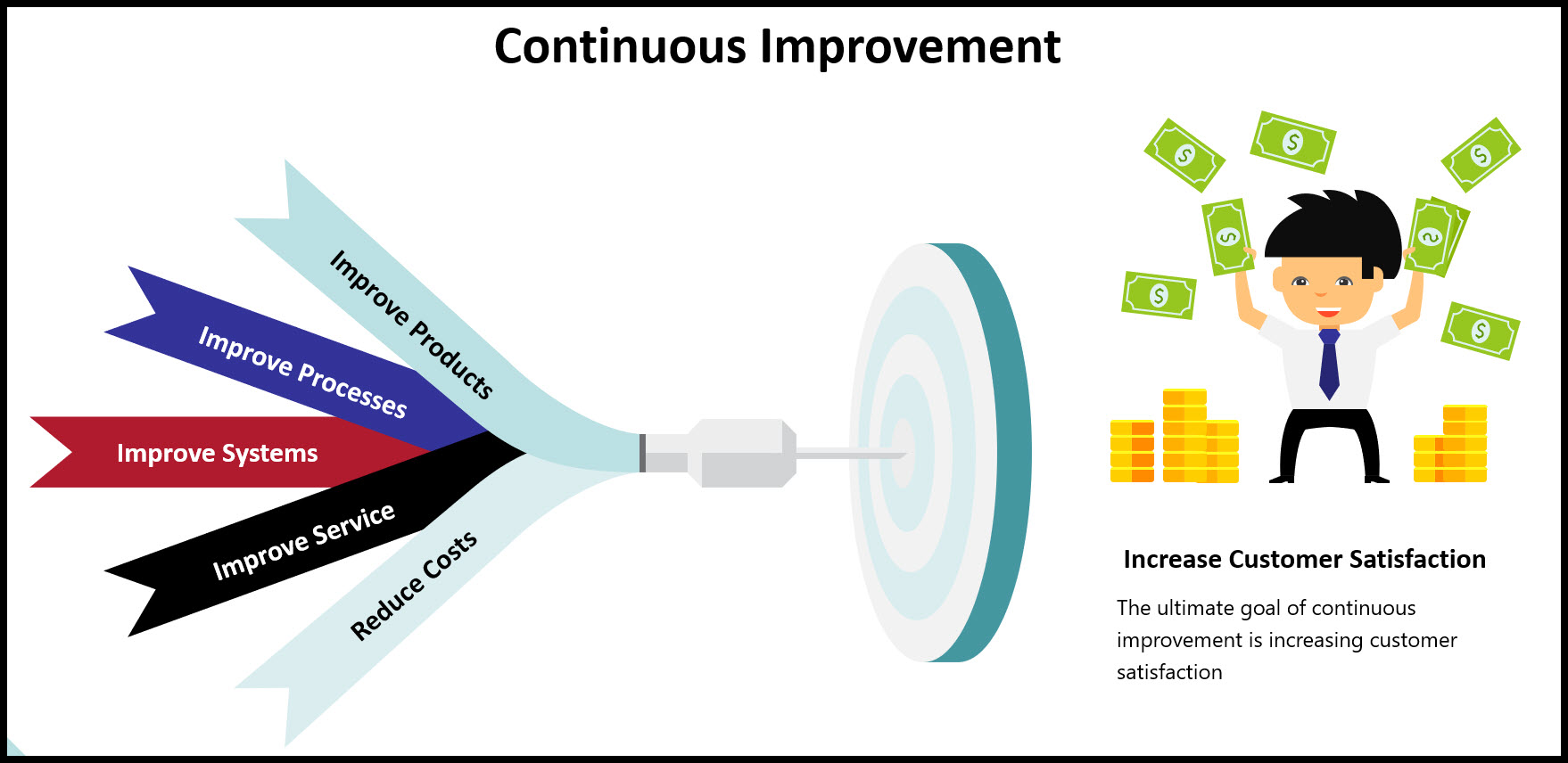
In today’s highly competitive business landscape, founders must adopt a customer-centric approach to drive sales and engagement.
Putting customers at the forefront of business operations is no longer an option but a necessity for sustained success.
1. Develop a Customer-Centric Culture
Founders must cultivate a culture that prioritizes customer satisfaction and engagement. This involves instilling a customer-focused mindset among employees and empowering them to go above and beyond to meet customer needs.
2. Gather and Analyze Customer Feedback
Regularly soliciting feedback from customers is paramount for understanding their preferences, pain points, and expectations. Utilize surveys, customer interviews, and social listening tools to gather valuable insights. Analyze this data to identify areas for improvement and identify trends that can guide strategic decision-making.
3. Personalize Customer Interactions
Tailoring customer interactions based on individual preferences and needs is a powerful way to foster a deeper connection. Leverage customer data to personalize communication, offers, and recommendations. Personalization creates a sense of exclusivity and shows customers that they are valued.
4. Implement Customer Journey Mapping
Visualizing the customer journey allows founders to identify touchpoints where customers may face difficulties or frustrations. By mapping out the entire experience, from initial contact to post-purchase support, founders can identify opportunities to streamline processes, enhance engagement, and deliver exceptional service.
5. Foster Open Communication Channels
Providing customers with accessible and responsive communication channels is essential for building trust and loyalty. Offer multiple channels such as live chat, email, phone, and social media to cater to diverse customer preferences. Respond promptly to inquiries and address concerns proactively.
6. Empower and Train Employees
Ensure that employees are equipped with the necessary skills and knowledge to provide exceptional customer service. Invest in ongoing training programs to enhance their ability to connect with customers effectively. Empower them to take ownership of customer issues and provide timely solutions.
7. Leverage Technology
Embrace technology solutions that enhance customer connection, such as customer relationship management (CRM) software, marketing automation platforms, and chatbots. These tools streamline processes, automate repetitive tasks, and provide valuable customer insights for targeted engagement.
8. Encourage Customer Community Building
Facilitate the creation of a community where customers can connect, share experiences, and provide feedback. This fosters a sense of belonging and loyalty among customers, while also providing valuable insights and peer-to-peer support.
Expanding Customer Connection Efforts as the Company Grows
As your business expands, it becomes increasingly important to invest in strategies that foster a deeper connection with your customers.
This connection not only leads to increased sales but also enhances customer loyalty, advocacy, and engagement.
Here are some key strategies to consider:
1. Enhance communication channels
As your customer base grows, it is essential to diversify and strengthen your communication channels. Beyond traditional methods like email and phone, consider incorporating social media platforms, live chat, and even chatbots to provide round-the-clock support. By being accessible through multiple channels, you can ensure your customers feel heard and valued.
2. Personalize the customer experience
With growth, it becomes harder to maintain a personalized touch. However, personalization is key to establishing an emotional connection with customers. Leverage customer data and analytics to segment your audience and deliver tailored experiences. This could involve personalized recommendations, exclusive offers, or even customized content.
3. Build a customer-centric culture
As your company expands, instilling a customer-centric culture becomes vital. Ensure that every employee understands the importance of customer satisfaction and engagement. Encourage regular interactions with customers, conduct surveys, and actively listen to feedback. By creating a culture that puts customers first, you can foster long-term loyalty and advocacy.
4. Embrace customer feedback
Feedback is a valuable asset for growth. Actively seek feedback from your customers through surveys, reviews, and social media engagement. Analyze this feedback to identify areas for improvement and implement necessary changes. By involving your customers in the decision-making process, you not only enhance their connection with your brand but also gain insights that can drive innovation and growth.
5. Scale customer support
As your business grows, so does the demand for customer support. Ensure that you have scalable support systems in place, including well-trained representatives and efficient processes. Consider leveraging automation tools and chatbots to handle routine inquiries, allowing your team to focus on more complex customer needs.
The Future of Customer Connection

Emerging Trends in Customer Connection
One key trend is the shift towards personalized customer experiences. Gone are the days of mass marketing and one-size-fits-all solutions.
Customers now expect tailored experiences that cater to their specific needs and preferences. Founders must invest in data analysis and customer segmentation to understand their target audience better.
By leveraging this information, they can create personalized marketing campaigns, develop customized products or services, and deliver exceptional customer service that speaks directly to individual needs.
Another emerging trend is the rise of digital engagement. With the increasing reliance on technology, customers are seeking convenient and seamless online experiences. Founders must invest in user-friendly websites, mobile apps, and social media platforms to connect with their customers.
Implementing chatbots or AI-powered customer service tools can also help provide instant support and resolve queries in real time, enhancing the overall customer experience.
Furthermore, founders must embrace social responsibility as a trend in customer connection. Today’s consumers are more conscious of the impact their purchasing decisions have on society and the environment.
By aligning their brand with causes that resonate with their target audience, founders can foster a deeper connection with customers. This can be achieved through initiatives such as sustainable sourcing, ethical manufacturing, or contributing to charitable organizations. By demonstrating a commitment to social responsibility, founders can build trust and loyalty among their customer base.
Staying Ahead in an Ever-Changing Customer Landscape
In today’s fast-paced business environment, staying ahead of the competition is crucial for founders who want to succeed.
- One of the key factors in achieving this is understanding and effectively navigating the ever-changing customer landscape.
- The digital age has revolutionized the way customers interact with businesses, making it essential for founders to adapt their sales and engagement strategies.
- By understanding the evolving needs and preferences of customers, founders can tailor their approach to meet these demands effectively.
- The first step in staying ahead is cultivating a deep understanding of your target audience. This involves conducting thorough market research to identify customer personas, their pain points, and what motivates them to purchase.
- By gaining these insights, founders can create tailored sales and engagement strategies that resonate with their customers on a deeper level.
- Founders must embrace technology and leverage it to their advantage. From data analytics to social media platforms, technology offers a wealth of opportunities to connect with customers and gather valuable insights.
- By analyzing customer data, founders can identify trends and anticipate shifts in customer behavior, allowing them to stay one step ahead of the competition.
Wrapping Up
staying ahead in an ever-changing customer landscape is a challenge that founders must embrace. By putting customers first and investing in understanding their needs and preferences, founders can create sales and engagement strategies that resonate deeply.
By leveraging technology, embracing personalization, and staying agile, founders can stay ahead of the competition and build long-lasting connections with their customers.
Ready to Skyrocket Your Sales?
Take the First Step with Mysalesscript.com! Click Here to Unlock High-Converting Sales Copy and Ignite Your Business Growth Today